

 EN
EN
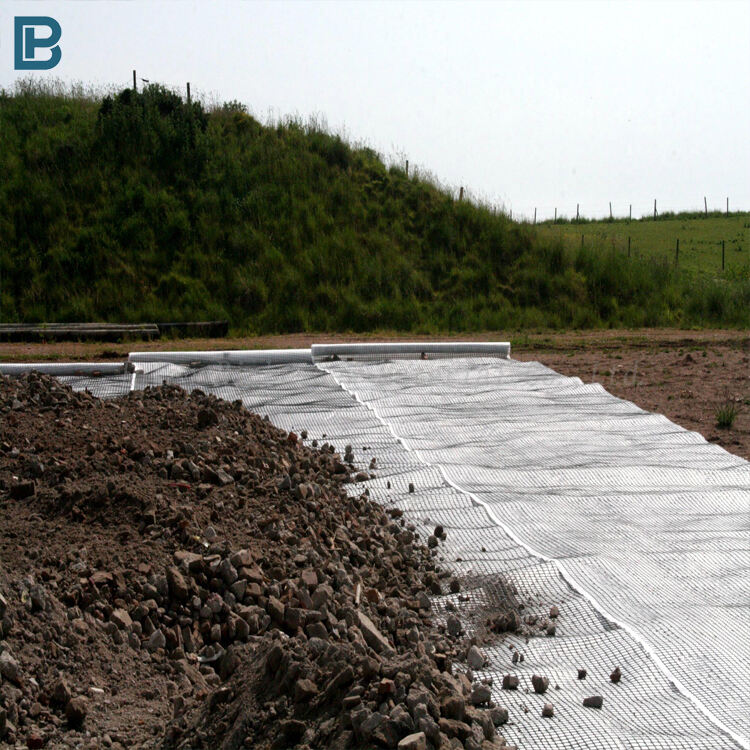
What Are Gravel Grids and How Do They Work?
Understanding Gravel Stabilization Grids and Their Purpose
Gravel stabilization grids work as sort of framework systems that turn loose gravel into something much more stable and long lasting. The panels themselves have those connected cell-like structures that hold the gravel in place but still let water drain through naturally. People install them on driveways, parking lots, and walkways because regular gravel tends to get all rutted out, develops those annoying washboard patterns, and just shifts around too much over time. What makes these grids effective is how their cell structure spreads out the weight across the whole surface area. This means the gravel can actually handle pretty heavy traffic without breaking down or getting damaged. Landscape engineers have tested this stuff extensively, but most contractors will tell anyone who asks that it really works when installed properly.
The HDPE Cellular Structure: Science Behind Gravel Grid Stability
Today's grid systems make good use of high density polyethylene, or HDPE for short, because it offers just the right mix between being flexible enough yet still rigid when needed. These grids have those distinctive honeycomb shaped cells that actually lock together with the sharp edged gravel bits, creating what amounts to a kind of semi rigid surface layer. One thing people often overlook is how durable HDPE really is against things like sunlight damage and extreme temperatures. Most installations last well over two decades before showing signs of wear. And there's another benefit worth mentioning too the material leaves about 90 percent empty space inside which lets water pass through naturally. This means no standing water issues and keeps the whole gravel structure from shifting around so much over time.
How Gravel Grids Prevent Migration and Maintain Surface Integrity
Three mechanisms work synergistically to combat gravel loss:
- Cellular walls restrict lateral stone movement
- Vertical confinement minimizes compaction from downward forces
- Interlocking panel connections enable continuous load transfer
This system reduces aggregate displacement by up to 80% compared to loose gravel, while allowing self-realignment of stones within cells during minor deformations.
Role of Geocell Panels in Load Support
The latest generation of geocell systems incorporates cellular panels standing around 4 to 6 inches tall, which significantly boosts their ability to bear weight. These deeper grid structures offer better reinforcement along the sides to resist shear forces, allow for thicker layers of gravel when dealing with heavy vehicle traffic, and work well with geotextile materials to prevent weeds from growing through. When put to real world tests in commercial settings, surfaces reinforced with these geocells show about two to three times more resistance to wear and tear compared to standard flat grid systems. They hold up much better during those challenging freeze-thaw seasons and can handle constant heavy traffic without showing signs of structural failure over time.
Key Benefits of Using Gravel Grids for Long-Term Performance
Maintaining Level, Smooth Surfaces with Minimal Settling
Gravel grids basically turn loose rocks into something that stays put even when people walk over it, cars drive across, or rain falls on them. These grids work like little cells holding each stone in place so they don't roll around or sink down into the ground below. Some landscape experts did research back in 2023 looking at how well these systems hold up over time. What they found was pretty impressive actually - surfaces stabilized with grids kept about 92% of their flatness after five whole years. That's way better than regular old gravel which only managed to stay level about 34% of the time according to their findings.
Erosion Control and Improved Load Distribution Under Traffic
The honeycomb design channels water away while distributing weight across hundreds of interconnected cells. This dual action prevents washouts during heavy rainfall and eliminates concentrated pressure points that cause ruts. For driveways, grids increase load-bearing capacity by up to 4x, making them suitable for RVs and emergency vehicles.
Reduced Maintenance and Long-Term Cost Savings vs. Traditional Gravel
By locking gravel in place, grids eliminate annual regrading and reduce aggregate replacement needs by 60–80%. A cost analysis shows grid installations pay for themselves within 3–5 years through saved labor and materials. Property managers report spending 3 hours per year maintaining grid-stabilized surfaces versus 15+ hours for loose gravel.
Environmental Advantages: Less Aggregate Use and Better Drainage
Gravel grids reduce required stone volume by 30–50% while maintaining structural integrity. The open-cell design promotes natural stormwater infiltration at rates matching unmodified soil, preventing runoff that contributes to urban flooding. This permeability also supports groundwater recharge—a critical factor in achieving LEED certification for sustainable projects.
Common Problems with Unstabilized Gravel Surfaces
Ruts, Washboarding, and Gravel Displacement Without Reinforcement
Gravel roads and driveways without proper reinforcement tend to get all bumpy and wavy within just a few months after they're put down, particularly when cars drive over them regularly. According to research published last year by pavement experts at IPA, driveways made with regular old gravel can actually lose around 40% of that material every single year as vehicles pass by. Without something holding everything together underneath, car wheels just push the stones sideways across the surface. This creates those frustrating bumps we all know so well, plus it makes standing water collect everywhere which speeds up how fast the whole thing breaks down over time.
Weed Invasion and Soil Erosion in Loose Gravel Installations
Without geotextile barriers, organic matter accumulates between gravel stones, creating ideal conditions for weed growth. Research shows untreated gravel areas experience 3x more soil erosion than grid-stabilized surfaces during heavy rainfall. This soil loss undermines the aggregate base, leading to premature surface failure.
High Maintenance and Frequent Resurfacing Costs
Homeowners with traditional gravel driveways spend 50–70% more on maintenance over five years compared to grid-reinforced installations. Annual tasks include regrading washed-out areas, replenishing displaced stones, and repairing drainage damage—costing $450–$740 per service cycle. These recurring expenses negate gravel’s perceived affordability versus stabilized solutions.
Key maintenance demands for unstabilized gravel:
- Bi-annual regrading to combat ruts and washboarding
- Annual gravel top-ups (15–25% volume replacement)
- Monthly weed control during growing seasons
Step-by-Step Installation Guide for Gravel Stabilization Grids
Proper Ground Preparation: Crowning, Sloping, and Drainage Planning
First things first, get rid of all the junk and plants from where we're going to install. Next up, run a plate compactor over the ground to make sure it's solid underneath. After that, shape the surface so it slopes downward about 2 to 3 percent. We call this crowning, and it helps water drain off properly instead of sitting around. If we're talking about driveways or places people will walk on a lot, throw down an extra 4 to 6 inches of crushed stone beneath everything. This gives the whole setup better support when weight comes rolling in. And don't forget about drainage! Sites that tend to collect water need special attention. Think about adding drainage channels or maybe even French drains somewhere. Believe it or not, most gravel grids fail early because nobody thought about proper drainage. Around two thirds of these failures happen simply because water wasn't directed away correctly.
Using Geotextile Fabric to Block Weeds and Prevent Subsoil Mixing
Lay a woven geotextile fabric over the prepared base to suppress weeds and separate the subsoil from the gravel grid system. Overlap fabric seams by 12–18" and secure edges with landscape staples. This barrier reduces maintenance by 40% over 5 years while preventing soil erosion from undermining the grid structure.
Laying and Securing Geocell Panels: Tips for DIY Success
Assemble interlocking geocell panels edge-to-edge, trimming cells with a utility knife for tight fits around curves. Anchor perimeter sections every 12–18" with 8" galvanized stakes to resist lateral shifting under load. For slopes >10°, add intermediate stakes every 24"—unsecured grids on inclines experience 3x faster gravel migration.
Choosing and Installing the Right Infill for Maximum Stability
When filling those cells, go for angular gravel between 10 and 20 mm in size since it actually locks into place better within the grid system. Rounded pebbles tend to move around quite a bit more when pressure is applied they can shift up to half again as much as angular ones do. Spread out the gravel pretty evenly across all the grids, but remember to put down about half an inch extra because things settle down after awhile. For compacting, work in layers about two inches thick at a time using that vibratory roller equipment. Get that compaction right up to around 95% if we're talking about areas where heavy vehicles will be passing through regularly. And finally, make sure the finished surface sits just a quarter inch below those cell walls. This helps keep everything contained properly while still letting water drain away effectively from the area.
Implementation Notes
- Cold Weather Installation: Avoid laying grids below 40°F—HDPE plastic becomes brittle and prone to cracking.
- Slope Safety: For gradients >15°, consult an engineer to assess needs for additional reinforcement like gabion walls.
Gravel Grid vs. Traditional Gravel: A Performance Comparison
Durability and Load-Bearing Capacity: Grid-Stabilized vs. Loose Gravel
When it comes to areas with lots of traffic, gravel grids beat regular loose gravel hands down thanks to their special HDPE cell structure. Regular gravel just gets pushed around when something heavy like a car weighing over 8,000 pounds drives over it. But those grid systems? They spread the weight through all those connected cells and can actually handle stuff as heavy as 40,000 pounds. That makes them perfect for places where emergency vehicles need to pass or where delivery trucks park regularly. Studies looking at this stuff show that after about a year of being used, these stabilized systems create ruts that are only about 22% as deep as what happens with normal gravel surfaces. Makes sense why so many property managers are switching to them nowadays.
Maintenance Needs Over 5 Years: Time and Cost Analysis
Grid-stabilized installations cut long-term upkeep by minimizing gravel migration and surface deformation:
| Factor | Traditional Gravel | Grid-Stabilized Gravel |
|---|---|---|
| Annual Raking | 4–6 hours | <1 hour |
| Gravel Replacement | 10–15% yearly | 2–5% over 5 years |
| Weed Control | Monthly treatments | Quarterly spot treatments |
Over five years, grid systems reduce maintenance costs by $1,200–$1,800 for a 500 sq.ft. driveway.
Aesthetic Consistency and Surface Uniformity Over Time
Gravel grids maintain visual appeal by locking stones in geometric patterns, preventing washboarding and pitting common in loose gravel. The cellular structure also limits weed intrusion by 65% compared to traditional installations, ensuring a cleaner appearance with minimal effort.
Frequently Asked Questions
What are the advantages of using gravel grids over traditional gravel surfaces?
Gravel grids offer stability, reduce maintenance costs, enhance load-bearing capacity, and improve drainage compared to traditional gravel systems.
How long do gravel grids typically last before needing replacement?
Most gravel grid installations last over two decades, even in areas with heavy traffic.
Can gravel grids handle heavy vehicle traffic?
Yes, gravel grids can support loads up to 40,000 pounds, making them suitable for emergency vehicles and delivery trucks.
What kind of gravel is best for filling stabilization grids?
Angular gravel between 10 and 20 mm in size is recommended for optimal locking and stability within the grid system.
Table of Contents
- What Are Gravel Grids and How Do They Work?
- Key Benefits of Using Gravel Grids for Long-Term Performance
- Common Problems with Unstabilized Gravel Surfaces
- Ruts, Washboarding, and Gravel Displacement Without Reinforcement
- Weed Invasion and Soil Erosion in Loose Gravel Installations
- High Maintenance and Frequent Resurfacing Costs
- Step-by-Step Installation Guide for Gravel Stabilization Grids
- Gravel Grid vs. Traditional Gravel: A Performance Comparison
- Frequently Asked Questions