

 EN
EN
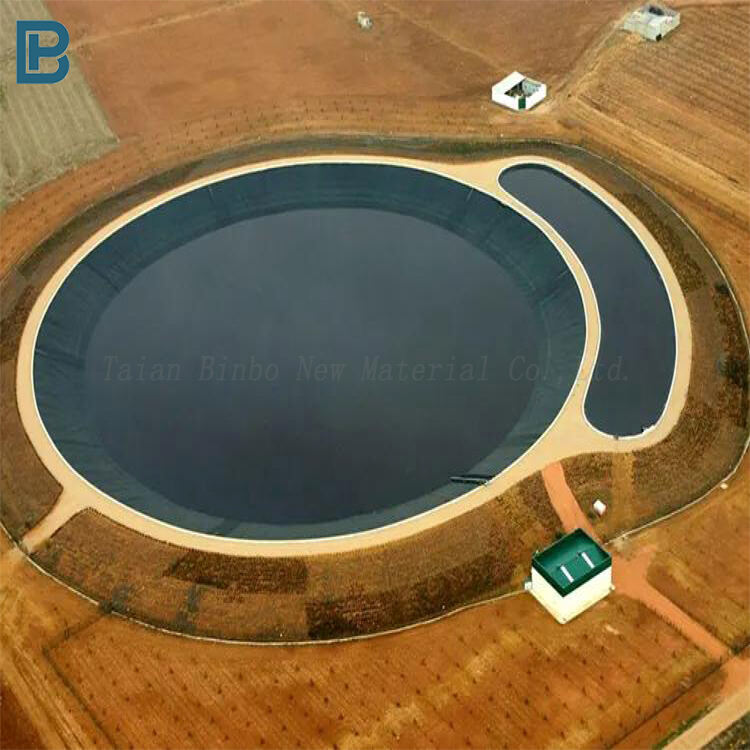
Psychological and Mental Health Benefits of Artificial Lakes
Stress reduction through exposure to artificial lakes
Proximity to artificial lakes reduces cortisol levels by up to 38% within 20 minutes, according to a 2024 environmental psychology study. Urban residents living within 500 meters of such blue spaces report 29% lower stress intensity, driven by water movement patterns that engage involuntary attention and support nervous system regulation.
Perceived restorativeness and mental recovery in urban blue spaces
The European Environment Agency (EEA 2022) found artificial lakes increase perceived restorativeness by 68% compared to green-only urban areas. This effect arises from dynamic visual stimuli like ripples and reflections, negative ion concentrations 40% above urban baselines, and microclimate cooling that lowers physiological stress markers.
Serene effects and subjective well-being around artificial lakes
A 3-year soundscape analysis of 42 urban artificial lakes revealed that 82% of visitors reported improved mood states, particularly when key sensory factors were present:
| Factor | Satisfaction Rate | Well-being Impact |
|---|---|---|
| Water sound presence | 91% | High |
| Visual openness | 87% | Moderate-High |
| Thermal comfort | 78% | Moderate |
Controversy: Overestimation of benefits in low-engagement environments
While artificial lakes offer mental health advantages, a 2023 meta-analysis cautions that passive designs without seating, accounting for 24% of surveyed sites, deliver only 12% of the stress reduction seen in interactive spaces. To maximize psychological benefits, water features must be paired with intentional amenities such as shaded benches and walking paths.
Ecosystem Services and Environmental Value of Urban Artificial Lakes
Cultural Ecosystem Services Provided by Artificial Lakes
Urban artificial lakes deliver essential cultural ecosystem services, supporting recreation, aesthetic appreciation, and education. A 2021 study found 78% of urban planners prioritize lakeside zones for public events, recognizing their role as accessible hubs for community engagement and artistic inspiration in dense urban settings.
Public Perception and Valuation of Artificial Lake Ecosystems
Residents near artificial lakes report 40% higher satisfaction with urban livability. While many attribute this to improved air quality and biodiversity, disparities exist in access across socioeconomic groups. Proximity within 500 meters typically increases property values by 12–18%, reflecting widespread recognition of environmental and experiential value.
Assessing Non-Material Benefits and Ecosystem Value
The European Environment Agency (EEA 2022) documented a 68% increase in non-material ecosystem benefits when cities integrate artificial lakes into blue infrastructure. Contingent valuation surveys show residents are willing to pay a 15–22% tax premium for lake maintenance, aligning with estimates of $740/ha annual mental health savings through stress reduction.
Recreational, Aesthetic, and Social Benefits of Artificial Lakes
Recreational use patterns and community engagement
Artificial lakes function as vital recreational centers, with 78% of city planners citing their importance in fostering community engagement through boating, festivals, and structured programs like kayaking lessons. For every 10 acres of waterfront, public park usage rises by 15% (Urban Green Space Index, 2023), highlighting their role in promoting inclusive urban activity.
Aesthetic integration in urban landscape design
Thoughtfully designed artificial lakes enhance visual continuity between built and natural environments. Reflective shoreline designs mirror architectural landmarks, improving aesthetic appeal. Properties adjacent to well-integrated aquatic features command 22% higher market values, according to recent real estate analyses.
Community attachment and social cohesion around blue spaces
Regular users of artificial lake amenities report 40% stronger neighborhood ties than non-users (Park Services Survey 2023). Shared activities, from waterfront yoga to volunteer clean-ups, foster collective stewardship and reduce social isolation by 33% in high-density areas (Journal of Urban Psychology, 2022).
Case Study: Xochimilco Floating Gardens as a model for community blue space
Xochimilco's floating gardens show us something interesting about old lake systems turning into lively places where people and nature coexist. As a UNESCO site, these gardens keep alive the ancient chinampa farming methods while also being home to colorful festivals on canals throughout the year. About ninety two out of every hundred locals take part in these events each year, which speaks volumes about their connection to this place. What really stands out is how they combine traditional farming techniques using rich soil from the water with efforts to protect historical aspects of the area. This mix creates what many experts see as a blueprint for creating sustainable water spaces that put communities at the heart of development rather than just focusing on environmental factors alone.
Design Strategies for Maximizing Health and Wellbeing Outcomes
Influence of Water Feature and Landscape Design on Health
Effective design amplifies wellbeing outcomes. Shallow vegetated zones improve air quality and invite interaction, while winding shorelines encourage exploration linked to cognitive restoration. When integrated with walkable green corridors, urban blue infrastructure enhances non-material ecosystem benefits by 68% (EEA 2022), underscoring the value of connected, multimodal planning.
Perceived Sensory Dimensions and Soundscape Satisfaction
Optimal sensory experiences balance auditory and visual elements. Water flow rates between 0.5–1.2 m/s generate soothing white noise, reducing cortisol levels by 22% compared to stagnant surfaces. Multilevel seating with tactile materials and overwater views promotes "soft fascination"–a state of effortless attention essential for mental recovery.
Trend: Biophilic Urbanism and Multi-Sensory Artificial Lake Design
More cities are getting into the biophilic design scene these days, creating artificial lakes that double as wellness centers for all the senses. These spaces often feature smell gardens with reed beds that actually filter water, footpaths crafted from nearby stone that feel great underfoot, and lighting systems that change colors based on when the sun sets. The whole concept makes sense when we look at recent studies in neuroarchitecture. Turns out moving water surfaces seem to boost prefrontal brain activity linked to feeling relaxed by around 30% compared to still water. Makes me wonder why anyone would want a boring pond next to their office building instead!
FAQ
What are the psychological benefits of artificial lakes?
Artificial lakes help reduce stress by lowering cortisol levels and enhancing perceived restorativeness due to dynamic visual stimuli and environmental cooling.
How do artificial lakes support community engagement?
Artificial lakes act as recreational hubs that encourage activities like kayaking and festivals, boosting community engagement and enhancing urban park usage.
What are the economic impacts of living near artificial lakes?
Proximity to artificial lakes can increase property values by 12-18% due to enhanced livability and aesthetic appeal.
How do artificial lakes contribute to biodiversity?
They provide cultural ecosystem services that support recreation, aesthetic appreciation, and can enhance biodiversity due to improved air and water quality.