

 EN
EN
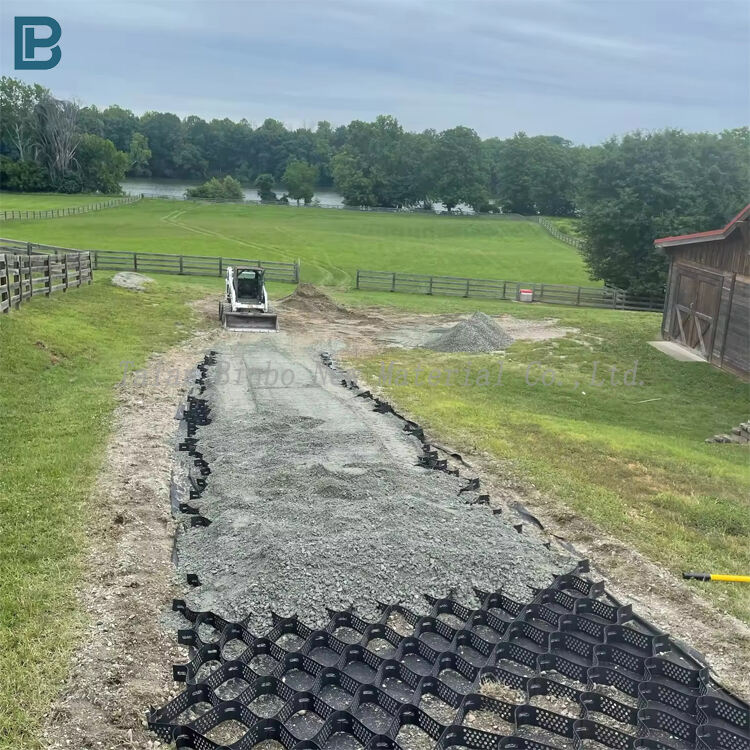
Enhanced Stability and Prevention of Gravel Erosion
Why Ground Stabilisation Is Essential for Gravel Driveways
Gravel surfaces that aren't stabilized tend to lose around 35% of their material every year because of erosion and stuff moving around, according to Geosynthetics International from last year. When there's no proper support, all those vehicles going back and forth plus rain and snow just make things worse over time. The result? Uneven ground, annoying potholes forming everywhere, and actual safety issues for anyone walking or driving on them. That's where ground stabilization comes in handy. Systems such as driveway grids work by locking gravel particles together so they don't shift around so much. These grids give that sideways hold which stops the gravel from migrating away while still letting water pass through naturally.
How Driveway Grids Improve Load-Bearing Capacity and Surface Stability
Driveway grids work by spreading out the weight over a strong matrix system, which can actually handle four times more pressure than regular gravel on its own. Studies looking at how roads hold up show that these grids with their hexagonal pattern turn downward force into sideways pressure instead, so the ground underneath doesn't get squished or shifted around. Homeowners who install them notice something pretty amazing too their driveways stay smooth for much longer periods, cutting down on those annoying tire tracks and potholes by somewhere between half and three quarters, even when cars drive over them all day long during busy seasons.
Prevention of Gravel Displacement and Rutting Under Heavy Use
Grid systems limit gravel movement to less than 2 mm per year through shear-resistant cell walls that block lateral shifting, depth-controlled infill retention (typically 25–40 mm gravel layers), and uniform pressure distribution across over 90% of the surface area.
Case Study: Reduced Pitting in Residential Driveways After Grid Installation
A 2023 field study tracked 50 gravel driveways retrofitted with stabilisation grids. After 18 months, grids eliminated pitting in 92% of installations and reduced regraveling costs by £180/year per household. Homeowners reported improved surface consistency for both pedestrian and vehicular access, with zero incidents of washouts during extreme weather events.
Improved Drainage and SuDS Compliance
Drainage efficiency and SuDS compliance with permeable driveway grids
Driveway grids actually work pretty well with Sustainable Drainage Systems (SuDS), letting about 95% of rainwater soak straight down into the ground beneath them. That's way better than regular paving which only manages around 15 to 20% absorption according to Environment Agency data from 2023. These grids have this special honeycomb shape that directs water through layers of aggregate material. This setup cuts down on those sudden spikes in water flow by roughly 30 to 50% across city areas. Plus it ticks all the boxes for SuDS requirements regarding controlling where water comes from and delaying when it runs off into drains.
Environmental benefits and natural water drainage through porous surfaces
With an open cell design, these systems actually work with nature's water cycle instead of against it. They filter out stuff like oil and heavy metals as rainwater passes through about 15-30 centimeters of material before reaching groundwater levels. According to research from CIRIA in 2023, this setup removes over 80% of oil contaminants and around 60% of zinc pollution, which means better protection for our lakes and rivers than traditional paved areas. What's interesting is how wild grasses tend to take root in the spaces between the grids too. A Wildlife Trust study found that this leads to roughly a quarter more plant species growing there compared to regular asphalt driveways, making these areas much friendlier habitats for local wildlife.
Reduction in surface runoff and flood risk in urban installations
When most city streets are covered in concrete and asphalt covering around 70 to almost 90 percent of available ground space, those special driveway grids can actually cut down on stormwater runoff quite a bit. We're talking about roughly between 450 and 600 liters saved each year for every single parking spot. Take Bristol as an example they rolled out their Sustainable Urban Drainage Systems (SuDS) retrofit project across several neighborhoods prone to flooding problems. The results? A pretty impressive 38 percent reduction in actual flood events once those grid systems were installed in the worst hit areas. These drainage solutions work at an amazing rate too about 15 to 25 liters per second per hectare which means they stop sewers from getting overwhelmed even during those rare but devastating one in thirty year storms. And this isn't just good engineering it directly supports what the Climate Change Act is trying to achieve through better water management practices.
Cost-Effectiveness and Long-Term Maintenance Savings
Reduction in Maintenance and Long-Term Cost Savings for Homeowners
Driveway grids basically cut down on all that constant regrading work and buying new gravel every few months. When these grids hold the stones together, homeowners save money long term. Studies show folks spend about 70% less on upkeep when using grids instead of regular gravel. A recent 2023 study from landscape engineers backs this up, showing driveway grids needed only about 42% of what traditional driveways require in terms of fixing and replacing stuff over five years. The big picture? Stable driveway systems just make sense financially because they last longer without needing so much repair work or fresh materials down the road.
Durability and Longevity of Driveway Grids Compared to Loose Gravel
HDPE grids can handle about five to seven times more traffic compared to regular gravel without stabilization, lasting well beyond fifteen years on residential driveways and pathways. Regular gravel tends to shift around and pack down over time, but these grids hold their shape even through multiple freeze-thaw seasons. Field tests actually found just 8% of the surface distortion seen in traditional materials after three harsh winters. From a financial standpoint, this long-lasting material offers real savings when compared to concrete alternatives. Most installations see returns between three and five times what they paid initially within twenty years simply because there's no need for constant repairs or complete replacement down the road.
Ease of Installation and Practical Advantages
How Driveway Grids Improve Strength, Drainage, and Installation Ease
Driveway grids offer three main benefits structural strength, good drainage, and easy installation that makes them popular among property owners. These grids feature a modular design that clicks together without needing glue or mortar, which saves a lot of time during installation. Some tests show setup can be around 40% faster than old fashioned methods. The way they lock into place stops gravel from shifting sideways when cars drive over them, so weight gets spread out evenly across the surface. What really stands out though is how well they handle rainwater. The built-in drainage system lets water flow through at impressive rates over 500 gallons each hour in fact. This means no more puddles forming after storms, especially important on driveways with slopes where water tends to collect.
Step-by-Step Overview of Drriveway Grid Setup for Contractors
- Base preparation: Compact a 4–6 inch sub-base layer (crushed stone or sand)
- Grid placement: Align grids edge-to-edge, using a rubber mallet to secure connections
- Gravel infill: Spread 1–2 inches of decorative aggregate, ensuring complete cell coverage
- Final compaction: Use a vibrating plate compactor to stabilize the surface
This process typically takes 1–2 days for a standard residential driveway, requiring only basic landscaping equipment.
Aesthetic Appeal and Accessibility Improvements
Maintaining the natural look of gravel with added structural support
Driveway grids keep that country look of regular gravel without all the headaches from ruts and stones everywhere. These grids work like little cages made in a honeycomb pattern that hold the rocks in place. What this means is the driveway stays looking good for longer, which really stands out next to flower beds or around farmhouses. Compared to concrete or asphalt, these grids let water drain naturally through them. Plus they fit right into whatever landscaping already exists around the property. Homeowners find this especially helpful when trying to match their driveway with existing garden designs without having to tear everything apart.
Improved accessibility for wheelchairs, buggies, and vehicles
Gravel surfaces that have been stabilized really improve how accessible outdoor spaces become. When we look at the numbers from Landscape Materials Journal back in 2023, these interlocking systems cut down on surface movement by around 62% compared to regular loose gravel. That makes all the difference for people using wheelchairs or pushing strollers across the area. More and more contractors are starting to include these grid systems when they work on projects that need to meet ADA standards. The open cell design works well because it can handle the required slopes needed for proper drainage without making the whole surface unstable. Homeowners who've had these installed tell us about roughly half as many slip and trip incidents after installation. Plus, cars don't struggle so much with tire slippage during rainy weather either.
FAQ
What are the benefits of using driveway grids for gravel driveways?
Driveway grids improve stability, prevent gravel erosion, increase load-bearing capacity, enhance drainage, and reduce maintenance costs.
How do driveway grids help with drainage?
They allow for up to 95% rainwater absorption, reducing surface runoff and aiding compliance with Sustainable Drainage Systems (SuDS).
Are driveway grids cost-effective in the long run?
Yes, they save on regrading and gravel replenishing costs, reducing maintenance expenses by about 70% compared to regular gravel driveways.
How do driveway grids improve accessibility?
They stabilize surfaces, making them more accessible for wheelchairs and buggies by reducing surface movement and improving grip under wet conditions.