

 EN
EN
Understanding HDPE Plastic: Key Properties and Industrial Advantages
Mechanical Properties of HDPE (Tensile Strength, Density, ESCR)
High Density Polyethylene or HDPE plastic shows impressive mechanical strength, typically holding around 4,000 to 6,000 pounds per square inch before stretching or breaking. This means it can handle pretty heavy weights without bending out of shape. The material has a density range between 0.94 and 0.97 grams per cubic centimeter which gives it just the right mix of stiffness and light weight. What really stands out though is how well it resists cracking when exposed to environmental stresses. We're talking about places where things vibrate constantly or go through temperature changes all day long. Because of these characteristics, HDPE lasts much longer than regular polyethylene when put to work in factories, warehouses, and other industrial settings where materials need to withstand tough conditions over time.
Chemical and Moisture Resistance of HDPE
Because of its semi crystalline makeup, HDPE stands up pretty well against most chemicals including things like acids, bases, and various solvents. This material keeps its shape and strength even when exposed to different pH levels ranging between 2 and 14 on the scale. When humidity gets really high, HDPE holds onto almost all its structural characteristics better than metal or wood would in those same conditions. That makes it particularly useful in places where moisture is constant, such as boats or wastewater treatment plants. Another big plus point is that HDPE's surface doesn't have pores so bacteria can't grow there. Plus it has been tested and approved by both FDA and NSF ANSI 61 standards for direct contact with food products and drinking water systems. These certifications give manufacturers confidence when designing equipment for applications where contamination risks need to be minimized.
Why HDPE Is Ideal for Industrial and Commercial Applications
High density polyethylene cuts down on overall costs over time by about 30 to 45 percent when compared with older materials because it lasts longer without corroding and requires minimal upkeep. We see this material all over the place these days in underground pipes that can stay functional for half a century or even a full century, food grade containers approved by the FDA, and those big tanks for storing chemicals that are made using welds that don't leave seams. Special versions treated with UV protection work great outdoors too, such as lining bridges against damage. And since HDPE works well between minus 50 degrees Celsius and up to 90 degrees Celsius, it finds applications everywhere from cold climate oil pipelines in the Arctic regions right down to sterile environments needed for medical equipment.
Major Applications of HDPE in Packaging, Piping, and Construction
HDPE in Packaging and Consumer Goods: Durability and Safety
HDPE dominates food-grade packaging thanks to its chemical inertness and regulatory compliance. Over 78% of milk jugs and 65% of detergent bottles are made from HDPE, leveraging its moisture resistance and stackability for efficient shipping. It preserves product freshness without leaching harmful substances, making it suitable for beverages, pharmaceuticals, and cosmetics.
HDPE Piping Systems: Corrosion Resistance and Long-Term Reliability
High density polyethylene pipes make up about 42 percent of all water distribution systems around the world according to the Global Pipe Alliance report from 2023. These pipes are really popular because they last roughly half a century and hold up well even when things get tough. They can handle pretty much anything thrown at them including super acidic soil conditions, temperatures ranging from as cold as minus fifty degrees Celsius right up to sixty degrees, and sudden spikes in pressure without showing signs of corrosion. City planners tend to go with HDPE materials when setting up both gas lines and sewage systems since the special fusion joints basically eliminate leaks. This means significantly lower maintenance expenses over time too something studies show saves municipalities around thirty percent on upkeep costs compared with traditional metal piping options.
Construction and Healthcare Uses of HDPE Plastic
In construction, HDPE serves two primary functions:
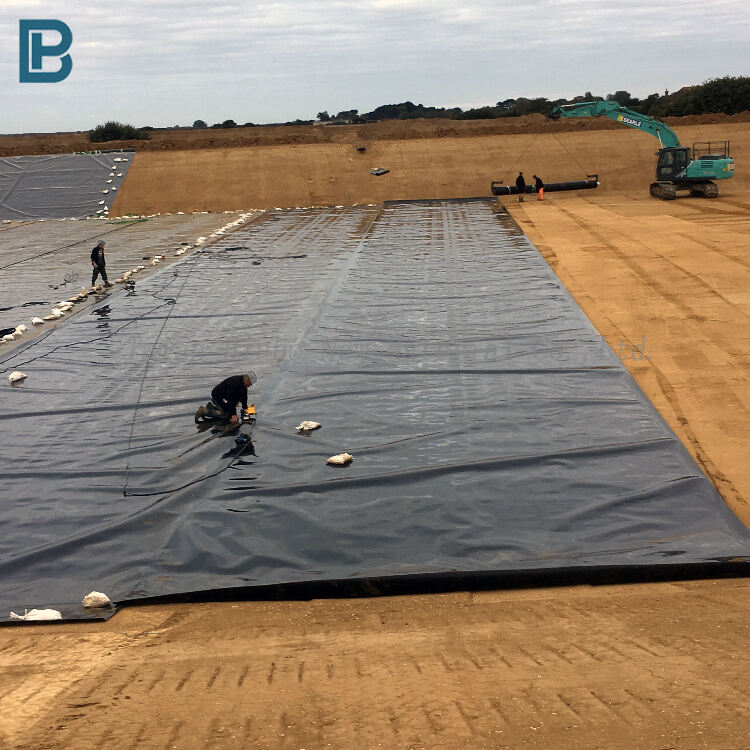
- Geomembranes: Used in 90% of landfill liners due to impermeability to hydrocarbons and UV stability
- Structural panels: Lightweight yet capable of bearing 12 kN/m² loads for modular buildings
In healthcare, HDPE’s non-toxicity supports sterilizable surgical trays and IV fluid containers. During the pandemic, production of HDPE-based face shield components surged by 240%, highlighting its role in emergency response and adaptable manufacturing.
How to Source Reliable HDPE Plastic Suppliers: Global vs. Local Options
Evaluating HDPE Suppliers for Bulk Procurement Needs
When working on large scale industrial projects, it makes sense to go with suppliers who have those important certifications like ASTM D3350 and ISO 4427 standards. These certifications basically guarantee that materials will be consistent batch after batch and meet all necessary regulations. Good quality suppliers don't just talk about standards either they actually back them up with proper documentation. Look for places that hand over complete MSDS sheets along with independent lab test results from third parties. Also check what their minimum order requirements are and how long they take to deliver stock. The best suppliers these days tend to have systems in place where customers can see exactly what's in stock right now and track when production schedules are set, which helps avoid those frustrating last minute holdups everyone hates.
Online Purchasing of HDPE with Volume Discounts and Certifications
According to Plastics Today from last year, businesses using digital procurement platforms often see their per unit costs drop around 18% when ordering over 10 metric tons worth of materials. For anyone shopping online, it's really important to check those certification marks first thing. Look for things like NSF/ANSI 61 if they're dealing with drinking water systems, or make sure there's compliance with FDA CFR 21 standards whenever materials will touch food products. Smart buyers also want to stick with platforms that offer secure payment processing and real time inventory updates. These features don't just look good on paper they actually make the whole supply chain work better in practice too.
Comparing Regional and Global HDPE Plastic Suppliers
| Factor | Regional Suppliers | Global Suppliers |
|---|---|---|
| Lead Time | 2–5 days | 4–8 weeks |
| Freight Costs | Lower (local logistics) | Higher (overseas tariffs) |
| Compliance | Local regulatory alignment | Multi-market certifications |
Regional suppliers offer faster delivery for urgent needs, while global partners may provide better pricing for large-volume purchases. Prioritize ISO 14001-certified manufacturers to align with sustainability goals and ESG reporting requirements.
Assessing Supplier Reliability, Traceability, and Quality Assurance
The best suppliers these days have got batch level traceability sorted out so their customers can actually see where the resin comes from and what happens during processing. It's worth doing some site visits too, checking how they handle extrusion work, look at their warehouses, and see how they manage waste materials. Ask around in your industry circle for recommendations. Suppliers who work with wastewater treatment plants usually need to meet much higher standards because of regulations there. And don't forget about finding partners who can give real hands on help when it comes to picking materials, figuring out welding techniques, or getting fabrication right. That kind of support makes all the difference between a successful project and one that goes off the rails.
Customization and Value-Added Services from HDPE Suppliers
Leading HDPE suppliers offer advanced customization options that align material properties with specific engineering demands. Engineers can specify sheet thicknesses from 3mm to 150mm with ±0.3mm tolerances, and access custom-compounded formulations designed for extended UV exposure or anti-static performance (Plastics Technology Report 2023).
Custom sizes, colors, and grades of HDPE for specific projects
Growing demand for tailored solutions has led suppliers to expand offerings beyond standard stock. A 2023 industry survey found 68% of procurement teams now require customized HDPE materials, prompting providers to offer:
- Over 30 pigment choices with colorfastness guarantees
- FDA-compliant compounds for food processing surfaces
- Anti-static blends for electronics and cleanroom environments
Tailoring HDPE material selection to application requirements
Material specialists use standardized testing to match HDPE grades with functional needs. Key selection criteria vary by application:
| Property | Packaging Requirements | Industrial Piping Needs |
|---|---|---|
| Density Range | 0.941–0.955 g/cm³ | 0.955–0.970 g/cm³ |
| ESCR Rating | ≥500 hours | ≥1000 hours |
| Temperature Tolerance | -50°C to 60°C | -50°C to 110°C |
Fabrication and machining services: Precision HDPE components
Modern CNC routing centers produce HDPE parts with ±0.15mm precision for automotive, medical, and industrial equipment. One 2023 case study showed manufacturers reduced post-processing labor by 42% by outsourcing precision cutting and assembly to supplier-integrated fabrication services.
HDPE welding and thermoplastic joining methods
Extrusion welding creates seamless joints in containment systems, achieving 92–97% of base material strength when performed according to ASTM D2657-22. Hot gas welding remains the preferred method for field repairs in pipeline networks, offering portability and reliable joint integrity.
Case Study: Custom HDPE solution for a food processing plant
A dairy facility replaced stainless steel worktables with monolithic HDPE surfaces featuring integrated drainage channels. This redesign eliminated bacterial harborage points, reduced daily sanitation time by 35%, and withstood repeated 180°F clean-in-place (CIP) chemical cycles—demonstrating how tailored HDPE solutions improve hygiene and operational efficiency.
Balancing Cost and Quality in HDPE Procurement Strategies
Total Cost of Ownership: Beyond the Upfront Price of HDPE
When looking at HDPE procurement, it's really important to consider the whole lifecycle costs instead of just focusing on what something costs upfront. Virgin HDPE typically runs between about 80 cents to $1.20 per pound according to Plastics Today from last year. But over time, the real money comes back because HDPE lasts so long. Think about infrastructure projects where these materials can stay functional for half a century or even longer without needing much maintenance at all. That means fewer replacements and repairs down the road. What makes HDPE stand out is how resistant it is to both corrosion and chemical breakdowns. This quality actually cuts those hidden operational costs by roughly 40 percent when compared with metals, which tend to require constant upkeep and eventually need replacing entirely.
Leveraging Volume Discounts and Long-Term Supplier Partnerships
Purchasing 5+ tons of HDPE typically yields 15–30% cost savings through volume discounts. However, consistent quality must be maintained—leading suppliers uphold ASTM D4976 standards for density (0.941–0.967 g/cm³) and tensile strength (4,000–5,500 psi). Establishing multi-year contracts with certified partners enhances cost predictability and opens opportunities for collaborative development of application-specific formulations.
Sustainable and Recyclable HDPE: Meeting Growing Market Demand
About 30 percent of all HDPE produced worldwide contains recycled materials, which marks a significant jump from just 18% back in 2020 according to the Plastics Recycling Initiative. Using post industrial regrind cuts down on material expenses somewhere around 22 to 28 percent, and importantly, these materials still pass those strict FDA standards plus NSF/ANSI 61 specs needed when products come into contact with food or drinking water. Looking at manufacturing facilities, roughly 43% globally have either ISCC PLUS or ISO 14001 certifications under their belt. These credentials aren't just paperwork; they actually help companies wanting to hit their circular economy goals without having to sacrifice product quality or regulatory compliance along the way.
FAQs
What is HDPE plastic used for?
HDPE plastic is widely used for industrial applications like piping systems, packaging, and construction due to its durability, chemical resistance, and longevity.
How does HDPE resist environmental stress cracking?
HDPE has a density range that allows it to resist cracking under environmental stresses, making it suitable for applications with constant vibration or temperature changes.
Why is HDPE preferred for food packaging?
HDPE is preferred for food packaging because it is chemically inert and compliant with regulatory standards, ensuring safety and freshness without leaching harmful substances.
What certifications should I look for in HDPE suppliers?
Look for suppliers with certifications like ASTM D3350 and ISO 4427, as these guarantee consistent quality and regulatory compliance.
How is HDPE advantageous for water distribution systems?
HDPE pipes are preferred for water distribution due to their resistance to corrosion, longevity, and ability to handle extreme temperatures and pressures without leaking.
Table of Contents
- Understanding HDPE Plastic: Key Properties and Industrial Advantages
- Major Applications of HDPE in Packaging, Piping, and Construction
- How to Source Reliable HDPE Plastic Suppliers: Global vs. Local Options
- Customization and Value-Added Services from HDPE Suppliers
- Balancing Cost and Quality in HDPE Procurement Strategies
- FAQs