

 EN
EN
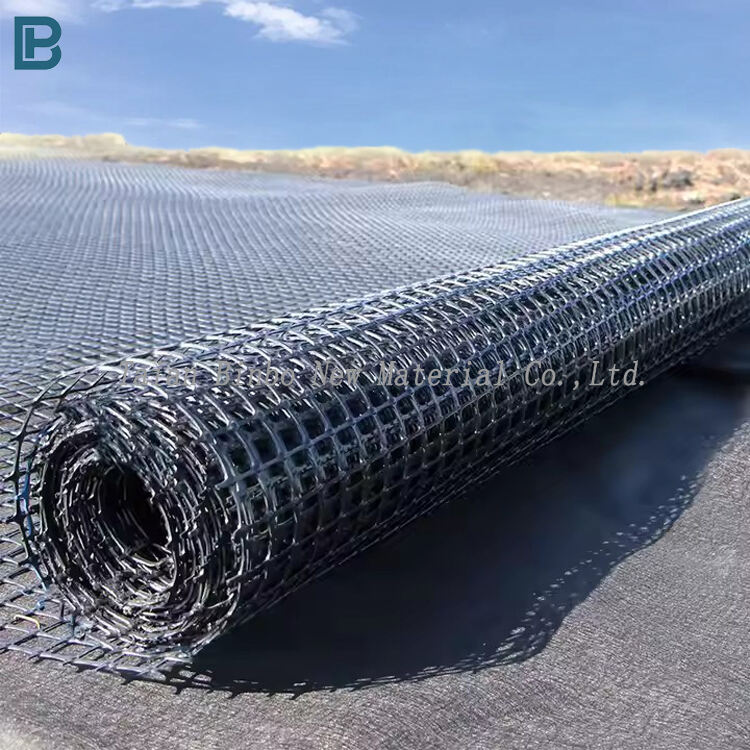
Climate Resilience Demands Advanced Geogrid Solutions
The increasingly severe weather we're seeing these days – think heavier downpours and longer dry spells – is pushing infrastructure engineers toward geogrid systems that can better handle changing climate conditions. New developments in polymer technology have made it possible for these grids to survive temperature swings well beyond 50 degrees Celsius without losing much of their strength. Tests show they maintain about 98% of their original tensile strength even after being used for half a century. What makes these materials so effective? They actually help stabilize soils in areas prone to flooding because they let water pass through at just the right rate around 12 to 18 liters per square meter per minute. This controlled drainage significantly cuts down on landslides too, studies indicate around 63% fewer incidents when compared with older reinforcement techniques.
Use of Smart Technology, AI, and Nanotechnology in Geogrid Development
Top manufacturers now integrate tiny sensors right into geogrid structures so they can track how stress spreads across the material and measure changes in soil dampness over time. These smart systems run through machine learning models that analyze sensor readings and flag potential issues somewhere between six and fifteen months ahead of when problems would normally become noticeable. The industry has also started applying special nano-coatings to boost protection against sunlight damage. Field tests indicate these new coatings last roughly forty percent longer before breaking down from sun exposure than regular materials do, which makes a big difference for long term durability in outdoor applications.
Geogrids Manufactured from Recycled Plastics Enhancing Sustainability
Post-industrial plastic waste now constitutes 34–42% of raw materials in next-generation geogrid production, reducing cradle-to-gate carbon emissions by 19 metric tons per kilometer of installed product. High-density polyethylene (HDPE) geogrids demonstrate equivalent mechanical performance to virgin polymer variants while diverting 780 kg of plastic waste from landfills per 100 m² installed area.
Composite Geogrid Solutions with Multifunctional Properties
Hybrid geogrid systems combine polyester reinforcement grids with non-woven polypropylene filtration layers, achieving simultaneous:
- Lateral restraint forces up to 120 kN/m
- Hydraulic conductivity rates of 0.01–0.1 cm/s
- Particle retention capacity for soil fines below 75 µm
This multifunctional approach reduces construction timelines by eliminating separate drainage layer installations in 78% of roadbed projects.
Sustainability and Carbon Reduction: The Role of Geogrids in Green Construction
Economic and Environmental Benefits of Geogrids Over Traditional Materials Like Concrete and Steel
Using geogrids instead of traditional materials like concrete and steel can cut down project expenses somewhere between 15% and 30%. Plus, these grids slash carbon footprints by around 30% to maybe even half in various construction projects. According to research published last year by the Green Construction Alliance, when builders incorporate geogrid reinforcement into retaining walls, they actually need about 40% less aggregate material. That means fewer trucks on the road and lower emissions from transport alone. Concrete production creates roughly 900 kilograms of CO2 for every ton made, whereas today's polymer based geogrid alternatives only release between 35 and 50 kg of CO2 per ton. The difference is pretty staggering. What makes this technology so appealing isn't just the environmental angle though. Geogrids also get rid of those lengthy, energy hungry curing periods required for concrete work. And because they're designed to resist UV damage over time, there's significantly less maintenance needed throughout their lifespan. All these factors make them increasingly attractive options for contractors aiming to meet sustainability goals without breaking budgets.
Material Composition and Manufacturing Processes Behind Low-Carbon Geogrids
Today's manufacturers are making geogrids from around half to three quarters recycled PET plastic, or sometimes even bio-based polymers made from stuff left over in agriculture. The numbers look pretty good too when it comes to energy savings. New extrusion methods actually cut down on power usage by somewhere between forty and sixty percent compared to old fashioned steel fabrication processes, as shown in recent studies from the Sustainable Materials Journal last year. Take ribbed polypropylene geogrids for instance. They manage to hit that impressive 120 kN/m tensile strength mark while still containing thirty percent recycled material from industrial waste streams. And what happens at the end of their long lifespan? Well, these products fit right into circular economy thinking. After serving roads and infrastructure projects for fifty to a hundred years, they get broken down and reused in things like drainage systems or special mats that stop soil erosion along riverbanks.
Performance and Durability of Geogrids in Real-World Engineering Applications
Product Durability, UV Resistance, and Performance Under Freeze-Thaw Cycles
Today's geogrid materials can hold onto about 85% of their original tensile strength even after sitting out in UV light for half a century, according to those accelerated aging tests we all know and love (ASTM D4355-23). What makes them so durable? Well, they're made with polyester and polypropylene that just don't break down when exposed to water over time. Plus there are these fancy polymer stabilizers working behind the scenes to stop the material from getting brittle every time it goes through freezing and thawing cycles. Take a look at what happened in a recent study from the University of Michigan back in 2023. They tested slopes reinforced with geogrids and found something pretty impressive: these structures kept nearly 94% of their ability to grip together even after going through a thousand temperature swings between -30 degrees Celsius and a scorching 50 degrees Celsius.
Mechanical Interlocking and Ultralight Backing in Geogrid Design
High-tenacity yarns with 80 kN/m tensile strength enable ultralight (300–500 g/m²) geogrids that reduce shipping costs by 18% compared to traditional steel grids. Mechanical interlocking efficiency has improved through rhomboidal aperture designs, increasing soil confinement by 33% in recent trials. These innovations allow 15% steeper slope angles while maintaining FS ≥ 1.5 safety factors.
Geogrid Performance in High-Shear Applications (e.g., Intersections, Runways)
When reinforcing runways, geogrid technology has shown impressive results against asphalt rutting problems. Tests indicate that these materials cut down on pavement damage by around 62% after 50,000 repeated aircraft landings according to FAA guidelines. Looking at port facilities, recent findings from the 2024 Geotechnical Frontiers Report are equally compelling. At container yard intersections where heavy equipment constantly moves cargo, biaxial geogrids with their 30mm thick junctions helped reduce uneven settling issues by nearly 40%. For engineers working with soil stabilization, there's another important development worth noting. Studies show that when dealing with angular aggregates, critical shear values have surpassed the 0.95 tan phi threshold for interface strength, making these systems even more reliable for long term infrastructure needs.
Controversy Analysis: Long-Term Degradation vs. Manufacturer Claims
Manufacturers often talk about these materials lasting a century, but real world testing tells another story. Independent research shows around 12 to 15 percent loss in tensile strength after just 25 years in saltwater conditions according to findings published in the ASCE Journal last year. Looking at soil conditions, a recent study from RMIT University in 2023 discovered something interesting too. Their tests showed that PET geogrids actually lost about 22% of their ability to stretch when placed in very acidic soils below pH 3, which goes against what most companies claim about surviving in pH ranges from 2 to 11. On the positive side though, there's been progress. Since quality control programs aligned with ISO 13426-1 standards started getting implemented across the industry back in 2020, we've seen early failures drop down to less than half a percent overall.
Leading Geogrid Manufacturers: Market Position and Innovation Strategies
Market Leadership of Maccaferri, Huesker, and TechFab USA Inc.
The geogrid market is pretty much controlled by three big players Maccaferri, Huesker, and TechFab USA Inc. who together take about 45% of the global business. These companies provide specialized products for all sorts of infrastructure work and environmental projects around the world. When it comes to performance specs, Maccaferri has developed polymer based geogrids that actually perform roughly 60% better at junction points compared to what ASTM standards require. Meanwhile, Huesker offers some interesting hybrid designs where they've built in both drainage and filtration components right into the product itself. This clever integration cuts down on installation time quite a bit maybe around 25% or so according to field reports. And then there's TechFab USA Inc., which has really embraced artificial intelligence in their manufacturing processes. Their smart systems help optimize how materials are used throughout production, resulting in about 18% less waste each year across their facilities.
Comparative Analysis of Product Portfolios and R&D Investment
- Material innovation: Huesker allocates 12% of revenue to R&D, focusing on nanotechnology for UV-resistant coatings that extend geogrid lifespan to 75+ years.
- Cost efficiency: TechFab's recycled PET geogrids lower embodied carbon by 33% compared to virgin materials, priced 15% below competitors.
- Customization: Maccaferri's triaxial grids support load capacities up to 900 kN/m², ideal for heavy-haul rail and mining applications.
| Manufacturer | R&D Investment (% Revenue) | Key Innovation | Market Impact |
|---|---|---|---|
| Huesker | 12% | Nanocoating Tech | +22% Durability |
| TechFab | 9% | AI Production | -18% Waste |
| Maccaferri | 8% | High-Load Grids | +30% Sales |
Case Studies of Geogrid Implementation (Perth Airport, Brisbane City Council)
The runway expansion at Perth Airport made use of TechFab biaxial geogrids for stabilizing those tricky soft soils underneath. This approach cut down on asphalt thickness by around 40 percent and saved roughly two point one million dollars worth of materials. Over in Brisbane, the city council put Huesker composite geogrids to work in areas where retaining walls face frequent flooding risks. During the wild weather events of 2022, these installations held up remarkably well against erosion, standing strong at nearly 98% effectiveness. Looking at what happened in both locations shows clearly how geogrid technology can deliver solid technical results while also ticking boxes for environmental sustainability requirements across construction projects today.
Critical Infrastructure Applications: Roads, Retaining Walls, and Railways
Infrastructure Development Trends Shaping Geogrid Demand
Infrastructure needs around the world are going up fast right now. About two thirds of transportation departments have made climate resilient materials a top concern for their 2024 road work programs. Geogrid technology helps meet this demand in several ways. It keeps unstable soil from shifting during highway expansions, strengthens railway banks when severe weather hits, and makes it possible to build cheaper retaining walls in city environments. We've seen a real change in how things get built lately. More companies are moving to modular approaches and using lighter but stronger materials. This trend explains why geogrid usage has grown roughly 23% each year over recent years, especially for big ticket items such as coastal defenses against flooding and new rail lines with electric systems.
Importance of Proper Geogrid Selection and Specification for Project Success
Choosing the wrong geogrid type can reduce road lifespan by 40% in frost-prone regions, according to 2023 geotechnical studies. Engineers must evaluate three key factors:
- Tensile strength requirements relative to traffic loads
- Soil interface friction coefficients
- Chemical compatibility with local groundwater
Precision in specification prevents costly failures, such as subgrade erosion under airport runways or retaining wall deformation in clay-heavy soils. Optimized geogrid systems cut aggregate use by 30% while meeting ISO 10319 durability standards, making them indispensable for sustainable infrastructure development.
FAQ Section
What are geogrids made from?
Geogrids are typically made from polymers like polyester, polypropylene, and polyethylene and can include recycled materials like PET plastic and bio-based polymers.
How do geogrids support climate resilience?
Geogrids stabilize soils and help control water drainage, reducing landslides and infrastructure damage during extreme weather events.
How do smart geogrids utilize AI and nanotechnology?
Smart geogrids include sensors to monitor stress and soil dampness, using AI for predictive analysis, while nanotechnology enhances UV resistance and durability.
What are the environmental benefits of using geogrids?
Geogrids reduce project expenses, carbon emissions, and aggregate material usage compared to traditional materials like concrete and steel.
Table of Contents
- Climate Resilience Demands Advanced Geogrid Solutions
- Use of Smart Technology, AI, and Nanotechnology in Geogrid Development
- Geogrids Manufactured from Recycled Plastics Enhancing Sustainability
- Composite Geogrid Solutions with Multifunctional Properties
- Sustainability and Carbon Reduction: The Role of Geogrids in Green Construction
- Performance and Durability of Geogrids in Real-World Engineering Applications
- Leading Geogrid Manufacturers: Market Position and Innovation Strategies
- Critical Infrastructure Applications: Roads, Retaining Walls, and Railways
- FAQ Section