

 EN
EN
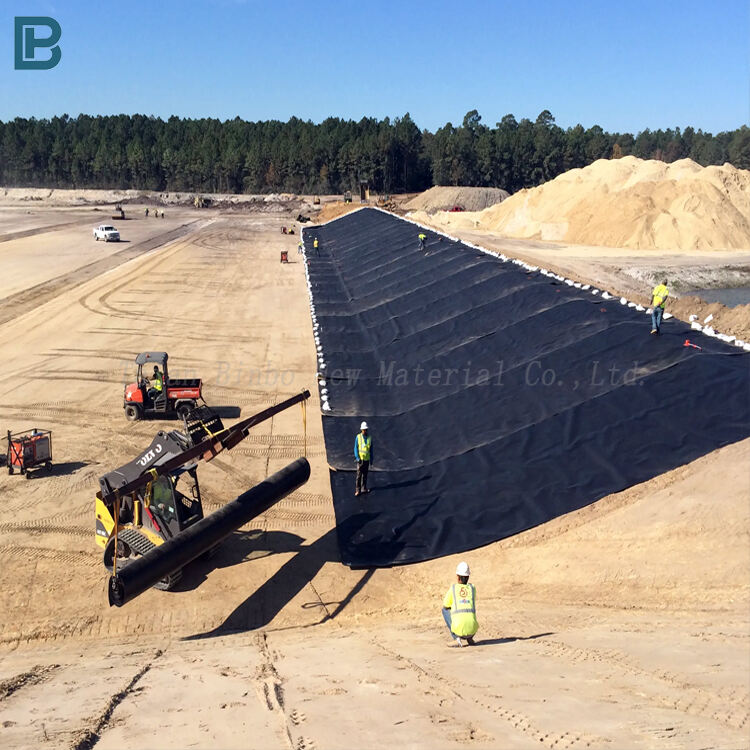
HDPE Plastic Fundamentals: How Molecular Structure Drives Performance
Molecular Weight, Crystallinity, and Branching — Their Direct Impact on Stiffness, Toughness, and Processability
The performance characteristics of HDPE come down to how its polymer is built. Molecular weights usually fall somewhere between 50,000 and 250,000 grams per mole, and this thermoplastic gets its strength from those long straight chains with little branching. When compared to branched polymers, HDPE has these tightly packed chains that create really high crystallinity levels, sometimes as much as 80%. This makes the material stiffer, more dimensionally stable, and stronger when pulled. The crystal structure affects how we process HDPE too. Higher crystallinity means the melt becomes more viscous, so we need to be careful with extrusion or injection molding settings like keeping melt temps around 200 to 300 degrees Celsius. What makes HDPE special though is how it balances chain entanglements with movement within the crystals. This lets the material stay tough without becoming brittle, which explains why it works so well in applications needing impact resistance. Some specialized grades even show environmental stress crack resistance that's about 30 percent better than regular versions when subjected to similar mechanical forces and chemical exposure.
Strength-to-Density Ratio, Impact Resistance, and Chemical Resistance Explained for HDPE Plastic Selection
High Density Polyethylene stands out as having the best strength compared to its weight among common plastics. It has a relatively light density ranging from 0.93 to 0.97 grams per cubic centimeter but still packs quite a punch with tensile strengths between 20 and 33 megapascals. When replacing metal components in things like pipelines or storage tanks, HDPE can cut weights by over half without compromising structural integrity under pressure. The material's molecular structure makes it highly resistant to chemicals, standing up against concentrated acids, strong bases, and various solvents even when heated to around 140 degrees Fahrenheit. What's really impressive is how tough it stays in extreme cold conditions too, working reliably all the way down to minus 58 degrees Fahrenheit thanks to those special crystalline areas that help absorb shock. Tests following ASTM D638 standards show premium quality HDPE can handle between 7 and 10 kilojoules per square meter of impact force before breaking. This kind of durability makes HDPE a go to choice for serious applications such as storing hazardous chemicals or lining industrial facilities where reliability matters most.
Key Property Relationships in HDPE Plastic
| Structural Feature | Mechanical Advantage | Processing Consideration |
|---|---|---|
| High Crystallinity | +40% stiffness vs. LDPE | Requires higher melt temps (200–300°C) |
| Linear Chain Alignment | 2.5x tensile strength | Limited thermoforming capability |
| Narrow MW Distribution | Improved ESCR resistance | Enhanced flow for thin-walled molds |
Environmental Exposure Requirements for HDPE Plastic Applications
UV Stability and Outdoor Durability: Why Standard HDPE Plastic Fails Without Stabilization (ASTM D4329 Insights)
HDPE without stabilization tends to break down pretty fast when exposed to sunlight, often losing around 40% of its impact resistance after just one year outside. The main issue comes from photo-oxidation processes that damage the polymer structure, leading to things like brittleness, tiny cracks forming on surfaces, and color changes. According to testing standards like ASTM D4329, these unstabilized materials typically don't make it past 500 hours in accelerated weathering tests, which translates to about six months in actual outdoor conditions. For items meant to stay outside permanently, such as dock components, playground structures, or storage tanks used in farming operations, special formulations are necessary. These include additives like carbon black at concentrations between 2% and 3%, along with HALS compounds and antioxidant blends. Together they help stop both the chemical reactions caused by light exposure and those triggered by heat and oxygen over time.
Chemical, Moisture, and Food-Contact Environments: FDA Compliance, ESCR Testing, and Material Certification
High density polyethylene absorbs almost no moisture at all - less than 0.01% by weight actually - and stands up pretty well against most harsh chemicals too. Still worth checking though when talking about really important applications where failure isn't an option. When it comes to food contact situations, getting certified according to FDA regulation 21 CFR 177.1520 means we can be sure nothing harmful will leach out during normal usage. For containers holding chemicals, the real test is how resistant they are to environmental stress cracks, measured through ASTM D1693 standards. The better quality HDPE products last over 1000 hours before showing any signs of cracking from detergents, while cheaper alternatives might start failing within just a few hundred hours sometimes. Any proper material specs should definitely cover these kinds of certifications and testing results.
| Validation Metric | Critical Threshold | Testing Standard |
|---|---|---|
| Food Contact Safety | Non-detectable migrant levels | FDA 21 CFR 177.1520 |
| Chemical Resistance | >500 hr ESCR rating | ASTM D1693 |
| Moisture Permeability | <0.3 g/m²/24hr | ASTM E96 |
These benchmarks ensure reliability in pharmaceutical processing systems, fuel storage, and potable water infrastructure—where material failure poses safety, regulatory, or environmental risk.
Matching HDPE Plastic Grades to Real-World Applications
High-Performance Uses: Cutting Boards, Medical Orthotics, and Marine Structures — Grade-Specific Validation Criteria
Choosing the correct HDPE grade means matching the material's molecular makeup to what the specific application needs. For food contact areas such as cutting boards, FDA approved HDPE is commonly used because it holds up well against pressure, doesn't react chemically, and can withstand constant scrubbing and impacts from daily use. When making medical orthotics, manufacturers need to carefully control how flexible the material is and how many times it can bend before breaking down completely. This ensures patients get proper support without their devices cracking after months of regular wear. Boats and other marine structures require HDPE that stands up to sunlight damage and saltwater corrosion. These materials go through special tests like ASTM D638 which checks how strong they are when pulled apart, and ASTM D4329 that looks at how they hold up over years of exposure to harsh weather conditions. Different industries have their own certification standards too. Food processing equipment must meet NSF/ANSI 51 requirements, medical products follow ISO 13485 guidelines, while marine parts need to pass ASTM D638 specifications. All these standards basically prove whether the plastic will last through all the stresses it faces day after day in real world conditions.
Sustainability vs. Performance: Recycled HDPE Plastic in Playground Equipment and Outdoor Furniture
Recycling HDPE definitely helps the environment, though it comes with some tricky performance issues that need attention. The stuff we get from post-consumer sources tends to have all over the place melt flow indexes and weaker impact resistance. This creates real problems when making playground equipment that needs to meet ASTM F1292 standards, especially since kids falling from heights demands proper energy absorption without fail. For outdoor furniture containing recycled materials, extra work is needed to prevent UV damage and maintain shape in cold climates down to minus 20 degrees Celsius. The colors also tend to fade faster after prolonged sun exposure. Smart manufacturers tackle these problems by mixing in some virgin polymer through their own secret recipes. These special blends can hit around 85% recycled content while still passing all the necessary tests for durability and safety across different products like slides, park benches, and deck installations.
How to Specify and Source the Right HDPE Plastic Grade
Finding the right HDPE grade requires matching what the application needs with standard performance measures. Start by looking at mechanical properties first. Most projects need tensile strength somewhere between 20 and 33 MPa, impact resistance should be at least 8 kJ per square meter on the notched Izod test, and elongation before cracking matters too according to ASTM D1693 standards. If working in regulated industries, check those compliance papers carefully. Food contact applications must meet FDA regulations under 21 CFR 177.1520, medical device manufacturers need USP Class VI certification, while structural uses often rely on ASTM D638 specifications. When shopping around for materials, go with suppliers who have ISO 9001 quality systems in place. Ask for actual test results from specific batches showing things like density readings between 0.93 and 0.97 grams per cubic centimeter, melt flow indexes ranging from 0.1 to 20 grams per 10 minutes, and confirmation about UV stabilizers included. Give suppliers all the details about how the material will be used including what chemicals it might encounter, temperature ranges it faces, how long loads will stay applied, and which regulatory bodies are watching. This helps match regular HDPE with special variants like bimodal grades for pressure pipes or high crystallinity resins when making cutting surfaces that need extra durability. Never just trust supplier data sheets blindly. Compare them against third party lab tests whenever possible, especially for parts where failure could cause serious problems down the line.
Frequently Asked Questions
What is HDPE plastic?
HDPE stands for High Density Polyethylene, a type of thermoplastic known for its high strength-to-density ratio. It's widely used in various applications due to its toughness, chemical resistance, and processing versatility.
How is the performance of HDPE influenced by its molecular structure?
The molecular structure, including aspects like molecular weight, crystallinity, and branching, significantly affects HDPE's performance. These structural elements determine its stiffness, toughness, and ease of processing.
What are the common applications of HDPE plastic?
HDPE is commonly used in applications such as pipelines, storage tanks, playground equipment, cutting boards, medical orthotics, and marine structures due to its durability and resistance to environmental factors.
How does HDPE stand up to environmental exposure?
HDPE shows excellent resistance to moisture, chemicals, and extreme temperatures. However, without stabilization, it tends to degrade under UV exposure. Special formulations with additives like carbon black can enhance its outdoor durability.
What should be considered when sourcing HDPE?
When sourcing HDPE, consider mechanical properties like tensile strength and impact resistance, regulatory compliance (FDA, ASTM standards), supplier quality certifications, and environmental application criteria.