

 EN
EN
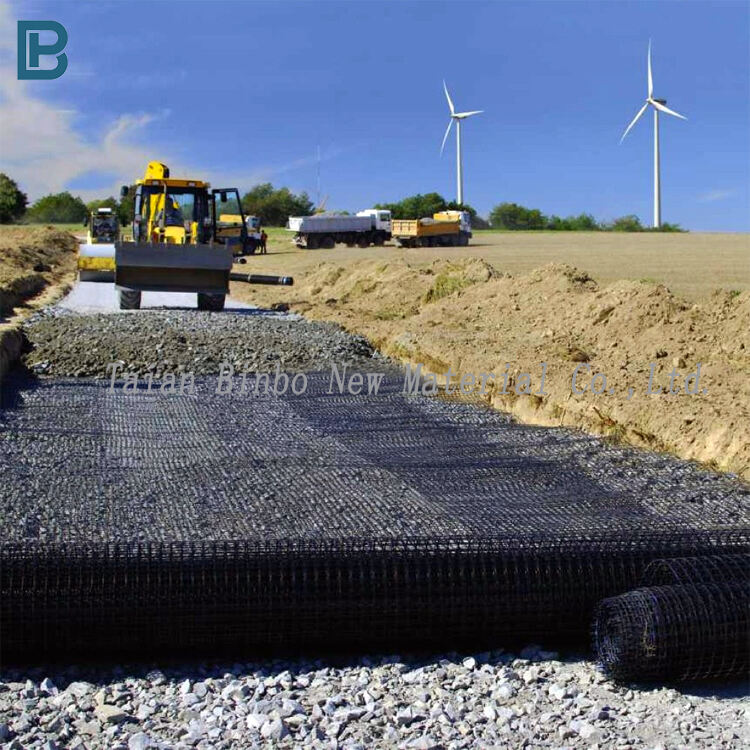
Essential Geogrid Inspection Protocols
Visual and non-destructive evaluation techniques for early degradation detection
Regular visual checks are still the first line of defense when it comes to maintaining geogrid systems, helping catch surface problems like cuts, abrasions, or those telltale signs of UV damage where materials start to fade or discolor. These basic inspections get supplemented by some pretty advanced tech these days. For instance, infrared thermography helps spot those hidden friction points beneath the surface that might not be obvious during a walk through. Strain gauges come in handy too, mapping out where loads aren't distributed properly across the grid. Then there's dielectric constant testing which looks at how chemicals affect polymer reinforcements over time. Industry research suggests this method can actually pick up strength losses around 15% before anything becomes visibly damaged. When field technicians combine drone flights with ground penetrating radar equipment, they create detailed pictures of grid conditions without ever having to dig into the ground. This means potential issues can be identified and addressed long before they turn into major structural problems down the road.
Scheduled inspection frequency based on application type and environmental exposure
How often we check things needs to match what kind of risks are actually present on site. For those critical retaining walls along coastlines, we generally need to do quarterly inspections because saltwater just eats away at materials over time, plus all that back and forth from tides really takes a toll. On the flip side, when looking at geogrid stabilized embankments sitting in dry areas, most folks find they can switch down to every six months once they've made it past those first two years of operation. There are definitely situations where regular schedules get thrown out the window though. Think about places where there's been some sort of industrial accident spilling chemicals around, or maybe during busy periods when traffic at distribution centers spikes way above normal levels. These kinds of events pretty much force us to rethink our whole inspection approach based on three main factors:
| Factor | High-Risk Scenario | Standard Scenario |
|---|---|---|
| UV Exposure | 6-month intervals | Annual |
| Chemical Exposure | Quarterly water runoff testing | Biannual |
| Dynamic Loads | Post-event inspections mandatory | Annual load distribution audit |
This stratified approach prevents under-inspection in vulnerable installations while avoiding unnecessary resource allocation in stable environments.
Geogrid Repair and Rehabilitation Strategies
Assessing damage severity: when to patch, reinforce, or replace geogrid
Effective geogrid maintenance begins with systematic damage assessment. Engineers categorize degradation into three tiers:
- Minor damage (<5% surface area affected, e.g., small punctures): Often repairable with polymer-compatible patching compounds
- Moderate compromise (5–20% damage or localized stretching): Requires overlapping reinforcement with new geogrid sections
- Critical failure (>20% damage or material embrittlement): Mandates full replacement to prevent structural collapse
Research published in Geosynthetics International (2023) indicates 73% of geosynthetic failures stem from unaddressed moderate damage escalating over 3–5 years. Field teams should conduct Dynamic Cone Penetrometer (DCP) tests at stress points to quantify load-bearing capacity loss before selecting interventions.
Best practices for field repairs without compromising soil-geogrid interaction
Successful in-situ repairs prioritize maintaining the original soil-reinforcement interface. Follow this protocol:
- Excavation control: Limit exposed areas to <2m² per hour using hydraulic shoring
- Interface preservation: Apply bentonite slurry to prevent soil separation during geogrid removal
- Seam integration: Overlap new geogrid by 300–600mm with zigzag stitching (per ASTM D4884)
- Compaction sequencing: Recompact soil in 150mm lifts at 95% Proctor density
| Repair Factor | Standard Procedure | Performance Impact |
|---|---|---|
| Anchoring method | Helical anchors at 45° inclination | +40% pullout resistance |
| Connection strength | ≥80% original geogrid tensile capacity | Prevents differential settlement |
| Backfill gradation | Well-graded aggregate (AASHTO M147) | Maintains drainage function |
Post-repair monitoring shows properly executed field repairs extend service life by 10–20 years while reducing rehabilitation costs by $18k–$35k per 100m², according to the Transportation Research Board (2024). Always verify restoration of the soil-geogrid composite action through pullout testing before backfilling.
Proactive Geogrid Maintenance Planning
Proactive maintenance for geogrids really pays off in the long run. Instead of waiting for problems to appear and then fixing them, smart operators focus on prevention based on actual site conditions and how the grid is performing day to day. Regular checks and inspections are key here, catching small problems before they turn into big headaches down the road. When engineers look at how these grids degrade over time, they can plan better where to spend money and labor, which often means the geogrid lasts much longer than expected sometimes stretching service life by 20 or even 30 years in some cases.
Mitigating environmental and loading impacts on geogrid longevity
Environmental stressors—including UV exposure, chemical reactions, and temperature fluctuations—degrade polymer integrity over time. Simultaneously, cyclic loading from traffic or soil movement induces material fatigue. Mitigation requires:
- Material selection: Prioritize geogrids with UV-stabilized polymers and chemical resistance ratings matching site conditions
- Protective measures: Maintain minimum soil coverage depth (typically 12–18 inches) to shield against photodegradation
- Load management: Install stress-distribution layers to prevent localized overloading
- Environmental buffering: Use geotextile separators in chemically active soils to reduce corrosion rates
Climate-specific maintenance frequency adjustments prove critical—arid regions demand biannual UV damage checks, while freeze-thaw zones require spring inspections after ground thaw. Studies show proper mitigation reduces replacement needs by up to 70% compared to unmaintained installations.
Installation Quality as the Foundation of Geogrid Maintenance
Good installation work saves money on geogrid maintenance because it gets the soil and geosynthetic materials working together properly right from the start. When preparing the site, workers need to clean up all the junk first, then grade those slopes evenly, and compact everything down to at least 95% density. That creates a solid base and stops those early stress points that can ruin things later. While putting the grids in place, keep them tight throughout and make sure overlaps are secured properly (around 12 inches for biaxial grids works best) so nothing slips around or settles unevenly. The backfill process matters too. Materials should be added in layers no thicker than about 8 inches each time, and compacting needs to happen just above the grids. Big machines should stay away from these areas since they might damage the polymer structure underneath. Studies show projects following ASTM D6637 guidelines tend to need about 25% fewer repairs after ten years in service. This happens because careful installation protects against problems like UV damage and chemicals seeping through. Engineers who check alignment, connections, and how deep the cover is during construction create foundations that basically take care of themselves. The geogrid does what it's supposed to do then reinforcing the soil mass without needing constant fixes down the road.
FAQs on Geogrid Inspection and Maintenance
What are the primary techniques for inspecting geogrids?
Visual inspections, infrared thermography, strain gauges, and dielectric constant testing are primary methods. Additionally, drone flights with radar equipment provide detailed analyses without excavation.
How often should geogrids be inspected?
Inspection frequency depends on environmental exposure and application type. Critical areas like coastlines require quarterly checks, while dry embankments may need biannual inspections.
How do field repairs affect geogrid longevity?
Proper field repairs, when executed according to guidelines, can extend the service life of geogrids by 10 to 20 years.
What factors are essential for durable geogrid installation?
Key factors include proper site preparation, ensuring tight grid placement, securing overlaps, and maintaining the correct compaction practices during backfill.