

 EN
EN
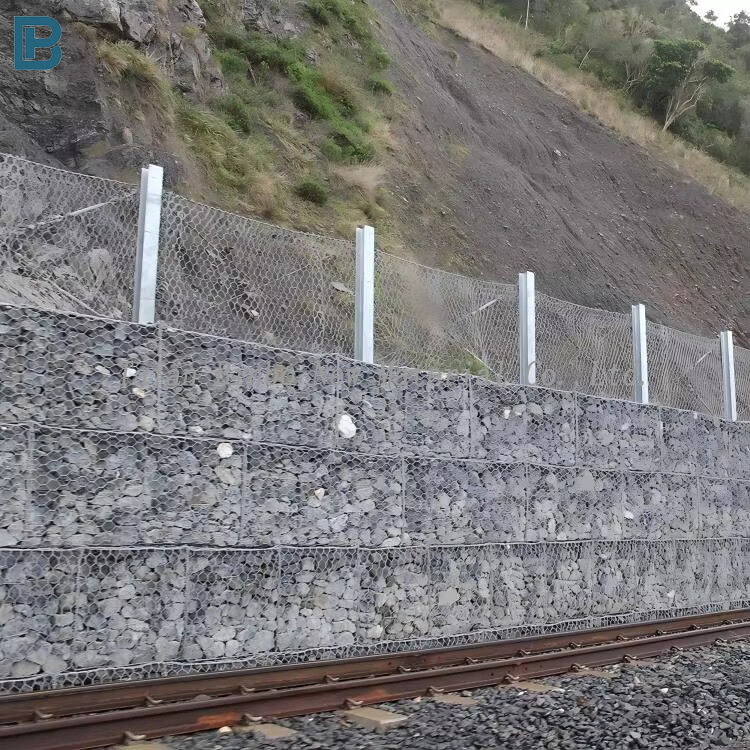
Unmatched Slope Stabilization and Erosion Control
Gabion walls really stand out when it comes to stabilizing slopes thanks to how they're built. Inside those galvanized steel meshes are stones packed together in a way that allows them to move slightly but still stay connected as one unit. This setup actually soaks up ground shifts and spreads out the sideways pressure from the earth behind them. What makes this approach special is that it stops those terrible shear failures we see all too often with regular concrete walls during winter freezes or small earthquakes. Traditional waterproof walls trap water and create dangerous pressure, but gabions let water flow right through the stones instead. That's why engineers love them especially on steep hillsides over thirty degrees angle where wet soil can cause whole sections to slide away unexpectedly.
How Gabion Walls Leverage Interlocking Stone and Flexible Mesh for Dynamic Soil Retention
Gabion baskets have this unique cellular design that reinforces both the stones inside them and the surrounding soil. When there are shifting loads applied, the hexagonal wire mesh stretches gradually, usually around 2 to 4 percent before anything actually breaks down. This gives the structure room to settle slowly instead of just collapsing all at once. What makes these structures so effective is their ability to adjust themselves when different parts settle at different rates. As pressure builds up, the stones within actually lock together tighter, keeping the overall density somewhere over 75%. Real world tests indicate that gabion walls hold onto about 97% of their original stability even after five full years of going through repeated stress cycles. That's pretty impressive compared to traditional rigid walls which tend to perform about 34% worse in areas where erosion is a big concern.
Real-World Performance: Gabion Erosion Mitigation on Steep Slopes, Riverbanks, and Coastal Sites
Gabions have proven really effective at coastal sites for cutting down wave energy impact. These structures can absorb around 60 to 70 percent of the hydraulic force thanks to the spaces between the rocks inside them, which makes all the difference for stabilizing shorelines when regular seawalls just don't hold up. When installed along riverbanks with basalt stones about 12 cm in diameter, these systems help keep vegetation growing pretty well too. About 85% of plants stay put because sediment naturally builds up between the stones, letting roots take hold and strengthen the soil. Studies looking at areas with heavy rainfall over 2000 mm each year show something interesting: gabions cut sediment loss by roughly 11 tons per meter every year compared to bare slopes. What's great is that this works consistently even in places with varying water acidity levels where standard steel reinforcements tend to rust away after just a few decades.
Superior Drainage and Ecological Integration
Eliminating Hydrostatic Pressure: The Inherent Permeability Advantage of Gabion Systems
Gabion walls handle destructive hydrostatic pressure because they're naturally permeable. Water just flows right through those stones instead of getting trapped behind the wall like it does with other structures. Regular retaining walls get soaked when water builds up, but not so much with gabions. Concrete walls need all sorts of complicated weep holes and drainage pipes installed, while these wire baskets actually act as their own kind of filter. The water moves through them pretty fast too, something like over 50 gallons per minute per square meter. That helps prevent what usually brings down most retaining walls in the first place. And best part? These things basically take care of themselves for years on end without needing any repairs or adjustments from humans.
From Infrastructure to Habitat: Vegetation Growth and Biodiversity Enhancement in Gabion Walls
Gabions do more than just hold up structurally they become valuable parts of local ecosystems as plants naturally take root inside them. When native grasses and climbing plants grow through those wire baskets filled with rocks, what starts as simple engineering turns into living green spaces that actually help insects and birds find food and shelter. Field observations show something pretty interesting too after about five years, these structures tend to host around 40% more tiny creatures like beetles and spiders compared to regular concrete walls. The gaps between stones create little homes for frogs and mice, while all those roots from growing plants make the soil stronger on hillsides. What we're seeing is infrastructure that doesn't just sit there but grows better over time, blending function with nature in ways traditional construction simply can't match.
Proven Durability, Seismic Resilience, and Minimal Maintenance
Gabion Flexibility Under Stress: Field Evidence from High-Risk Seismic and Settling Environments
Gabion retaining walls really stand out in places where things are constantly moving around because they can bend and flex instead of cracking like regular concrete walls do. Research done in earthquake-prone areas shows that these wire mesh boxes packed with rocks actually move and adjust themselves when the ground shakes, without falling apart completely. They handle problems like sinking soil and sideways pressure much better than traditional walls which tend to break under similar conditions. Take the big quakes in Ridgecrest back in 2019 for instance those were pretty bad at 7.1 on the Richter scale. While all the nearby concrete walls got smashed beyond repair, the gabion walls stayed intact and working properly. What makes this possible is how the stones inside fit together so tightly that forces get spread out across many contact points instead of concentrating at specific joints. This creates something that basically fixes itself as the landscape changes over time.
Corrosion-Resistant Materials and Long-Term Structural Integrity Without Reinforcement
Gabion structures don't need the special protection that steel reinforced concrete does because they're made from materials that won't corrode over time. The double twisted wire mesh comes with either zinc aluminum coatings or polymer layers that stand up pretty well against acidic groundwater conditions down to around pH 4.2. These structures can last way longer than regular options without corroding away. Studies by the Geotechnical Group found that about three quarters of all concrete retaining walls fail mainly due to corrosion issues. Since gabions aren't vulnerable to this problem, maintenance is much simpler. Most of the work involves managing plant growth around them and occasionally topping up the stones inside. Looking at actual field data, maintenance expenses drop somewhere between 40% and 60% when comparing these systems to traditional methods across two decades of operation.
Lifecycle Cost Efficiency of Gabion Retaining Walls
Gabion walls really stand out when looking at their lifetime costs because they cut down on both what it takes to install them initially and all those ongoing maintenance headaches. Compared to concrete walls, these rock-filled cages don't need fancy forms or waiting around for things to cure, which can save around 30% on labor during the building phase. They just hold up better over time too, so there's no need for those expensive expansion joints or constant patching work. Industry research shows maintenance bills stay under 5% of what concrete would cost over two decades. Another big plus is how water moves through them naturally, stopping that pesky hydrostatic pressure buildup that forces engineers to retrofit drainage systems later on something that adds anywhere from $15 to $45 per square foot to regular wall projects. And let's not forget about longevity either. These structures last well over 50 years without showing any signs of wear and tear. When we look at all these factors together, gabions end up costing about 40% less overall compared to reinforced concrete options according to lifecycle analysis reports. That makes them pretty much the gold standard for budget conscious infrastructure projects needing reliable retaining solutions.
FAQ
What are gabion walls made of?
Gabion walls are made of galvanized steel meshes filled with stones, which are designed to move slightly but remain interconnected as a stabilizing unit.
How do gabion walls help with erosion control?
Gabion walls have spaces between rocks that absorb hydraulic force, allowing them to stabilize shorelines and riverbanks effectively and reduce sediment loss.
Do gabion walls require a lot of maintenance?
No, gabion walls are low maintenance, requiring simple management of plant growth and occasional replenishing of stones, leading to reduced costs compared to traditional retaining walls.
Are gabion walls environmentally friendly?
Yes, gabion walls integrate well with local ecosystems by allowing vegetation growth and providing habitats for insects and birds.
How durable are gabion walls in seismic environments?
Gabion walls are very durable in seismic environments, as they can flex and adjust to ground movement without cracking, retaining their structural integrity better than concrete walls.