

 EN
EN
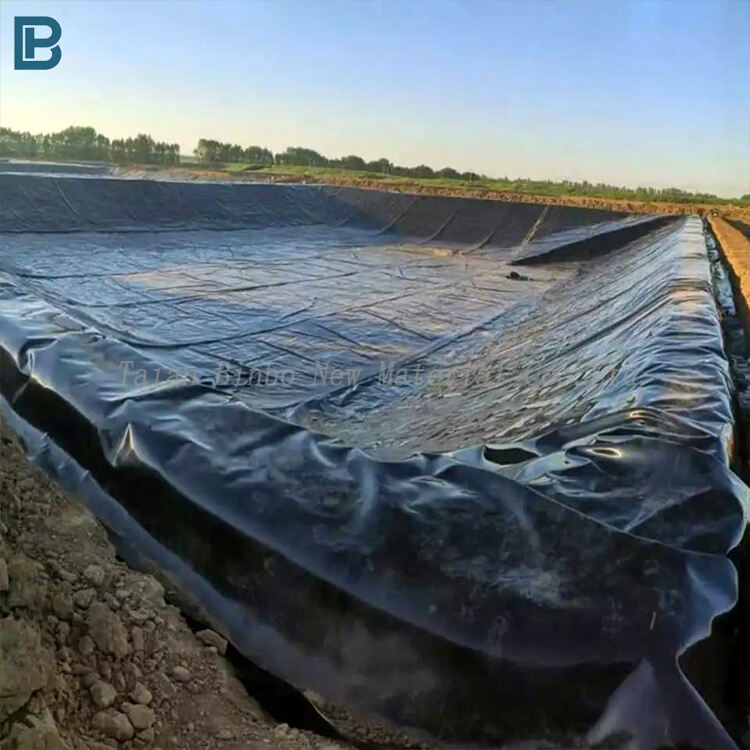
Unmatched Durability and Long-Term Cost Efficiency
Puncture and tear resistance: How multi-layer reinforcement extends service life
Fish pond liners that are reinforced typically feature a laminated construction with added scrim reinforcement. This helps spread out impact forces throughout the material, making them much better at standing up to punctures caused by rocks, plant roots, or equipment damage. Single ply HDPE just doesn't hold up as well when small tears start to form, which can quickly turn into bigger problems. Many commercial fish farms have seen around 90 percent reduction in emergency repair calls after switching to these reinforced liners. They last longer because they maintain their shape and resist wear even under tough conditions. Most pond owners find they spend far less time worrying about leaks once they install one of these durable options.
20–40 year lifespan vs. standard HDPE: Real-world longevity in commercial fish pond liner applications
Standard HDPE liners typically degrade within 5–15 years in commercial settings due to UV exposure, thermal cycling, and mechanical stress. In contrast, properly installed reinforced liners consistently achieve 20+ years of service–with documented cases exceeding 30 years in active aquaculture facilities. This durability delivers compelling total-cost-of-ownership advantages:
| Cost Factor | Standard HDPE (15 yrs) | Reinforced Liner (30 yrs) |
|---|---|---|
| Material Replacements | 3 installations | 1 installation |
| Labor & Downtime | $18k per replacement | 66% reduction |
| Total Ownership | $740k | <$300k |
The higher initial investment pays back quickly: farms avoid repeated shutdowns for liner replacement while sustaining reliable water retention over decades.
Reliable Water Retention and Conservation Performance
Near-zero seepage rates: Quantifying water savings in lined vs. earthen ponds
Most traditional earthen ponds suffer from serious water losses, typically around 30 to 50 percent each year because of seepage problems, particularly when built on sandy ground or areas with cracked soil structures. When we install reinforced liners, those losses drop dramatically below 2%, forming what amounts to a completely watertight seal between the pond and surrounding earth. The savings are pretty impressive too. A single acre of pond space can save roughly 1.2 million gallons yearly, which is actually enough liquid to fill up two full Olympic swimming pools side by side. Industry professionals who have made the switch to these lined systems often notice their water purchase expenses go down anywhere from 20% to 30%. This makes running intensive fish farming operations financially feasible in locations where normal earthen ponds just wouldn't work due to poor soil conditions holding water.
Critical water conservation in arid and semi-arid aquaculture
Water efficiency just isn't something farmers can ignore when they're dealing with dry climates anymore. According to some recent findings from the Food and Agriculture Organization in 2023, fish farms that install those special reinforced pond liners in really arid areas manage to reduce their water usage by around half compared to regular open ponds. This actually helps move us closer to meeting Sustainable Development Goal number six about clean water access. Take a look at what's happening on actual farms too. Operations in both Morocco and Arizona are keeping nearly all their fish alive even when there's not much rain coming down during certain seasons. The bottom line? These engineered containment systems let producers keep operating throughout the whole year while still being good stewards of local ecosystems.
Optimized Water Quality and Fish Health Support
Preventing nutrient leaching and sediment intrusion to maintain stable aquatic conditions
Reinforced liners stop unwanted mixing between pond water and the soil around it. They prevent nutrients from seeping into the ground while also keeping sediment out of the water from those eroding banks. Keeping things stable is important for fish because they need consistent pH levels, enough dissolved oxygen (we're looking at over 5 ppm), and controlled turbidity. When these factors fluctuate too much, fish just don't grow as well, sometimes dropping their growth rate by about 30%. The main job of the liner acts as a barrier against all this variability. With this protection in place, feed converts better into actual fish growth, and there's less need to constantly add chemicals to fix problems that keep happening.
Non-toxic, fish-safe formulation: Why reinforced polyethylene (RPE) is certified for aquaculture-grade fish pond liner use
Reinforced polyethylene or RPE doesn't contain those harmful additives like plasticizers, heavy metals, or VOCs. Plus, it has that NSF certified which makes it safe for drinking water contact, something really important for fish farming operations. Regular PVC materials can let out phthalates over time, but RPE just sits there without releasing anything toxic even after months underwater. The material basically won't give off any chemicals into the water. And this matters a lot when dealing with delicate aquatic life. According to studies from the Food and Agriculture Organization, trout kept in tanks lined with RPE have survival rates around 98 percent. That kind of performance speaks volumes about how safe these systems actually are for raising fish.
Environmental Protection and Regulatory Compliance
Reinforced fish pond liners act as important barriers against environmental damage, stopping soil contamination and keeping groundwater safe from harmful substances like excess nutrients, antibiotics, and organic waste from fish farming operations. The fact that these liners don't let anything seep through makes it easier for farms to follow water quality rules set by agencies such as the US Environmental Protection Agency and European Union directives. Most RPE liners on the market today are made without toxic materials and meet global safety standards, so there's no risk of chemicals leaking into nearby streams or wetlands. Plus, these durable liners last much longer than regular HDPE options, which means fewer replacements end up in landfills over time. Some studies show they can cut replacement needs by at least 50%. For fish farmers concerned about both compliance and green credentials, this dual benefit of meeting regulations while reducing environmental impact builds trust with customers, certification groups, and government inspectors who check on operations regularly.
FAQ
What are the main advantages of reinforced fish pond liners compared to standard HDPE liners?
Reinforced pond liners offer greater puncture and tear resistance, considerable durability with a lifespan potentially exceeding 30 years, and enhanced water retention, reducing seepage rates below 2%. They are also non-toxic and certified safe for fish farming use.
Why are reinforced pond liners preferred in arid and semi-arid regions?
In dry climates, water efficiency is crucial. Reinforced pond liners help reduce water usage by up to 50%, facilitating sustainable aquaculture practices and supporting goals for clean water access in challenging environments.
How do reinforced pond liners support fish health?
These liners prevent nutrient leaching and sediment intrusion, maintaining stable conditions crucial for fish health, including consistent pH levels and adequate dissolved oxygen, thus minimizing fluctuations that can impair fish growth.
Are reinforced pond liners environmentally friendly?
Yes, they prevent soil and groundwater contamination, adhere to global safety standards without toxic materials, and reduce environmental impacts by minimizing replacement frequency and associated waste.