

 EN
EN
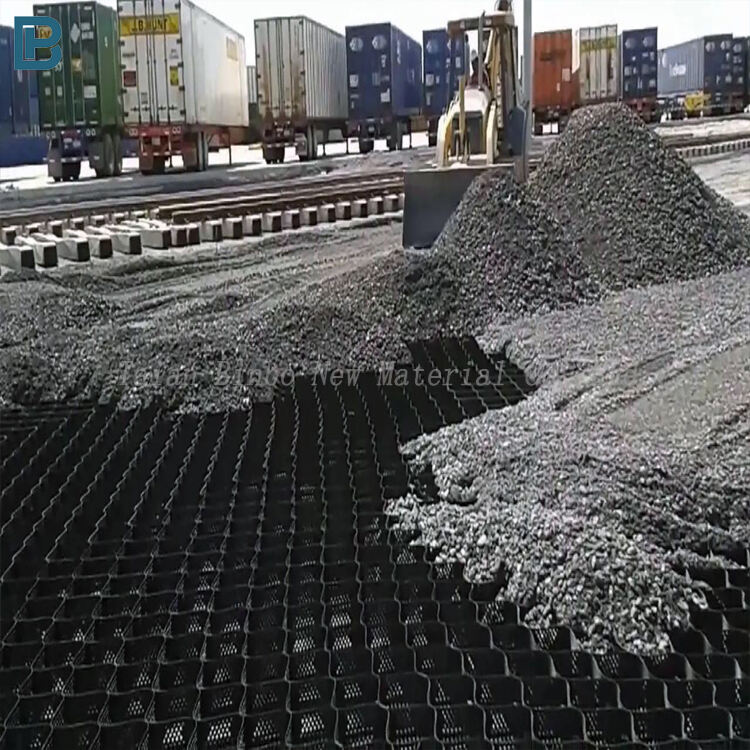
Gravel Stabilizer Grid Materials and Structural Design
HDPE Plastic vs. Recycled Polymer: Durability, UV Resistance, and Load-Bearing Capacity
What material gets chosen really affects how long gravel stabilizer grids will last. HDPE stands out because it resists UV damage so well that these grids maintain their shape and strength for over two decades without becoming brittle. They also handle temperature extremes pretty well, working fine even when temps drop below zero or rise above 150 degrees Fahrenheit. That makes them great for areas with harsh weather conditions. Recycled polymer options do save money upfront, but there's something about the inconsistency between batches that worries engineers. Sometimes these recycled materials develop weak spots when subjected to repeated stress or heavy weight loads over time. The differences matter a lot in real-world applications where reliability counts.
- Durability: HDPE resists chemical corrosion, including road salts, and degrades 30% slower than recycled blends in acidic soils.
- Load Capacity: HDPE grids support up to 1,200 psi, meeting fire lane requirements; most recycled alternatives max out at 800 psi.
- Sustainability: While recycled grids repurpose post-consumer waste, HDPE's extended service life reduces replacement frequency by 40%, lowering long-term environmental impact per installed square foot.
Interlocking vs. Roll-Out Grids: Impact on Installation Speed, Edge Stability, and Long-Term Integrity
Interlocking modular grids work really well on tricky or uneven ground, adapting nicely around bends, trees, and underground utilities. Their mechanical connections help keep edges from lifting and cut down gravel migration by about half on sloped areas. For straight, flat surfaces though, roll-out systems are much faster, covering around 500 square feet per hour compared to only 350 for the modular ones. But there's a catch - these roll-out systems need very thorough subgrade preparation otherwise they tend to buckle or separate at the seams. So when choosing between options, contractors have to weigh speed against surface conditions and long-term stability requirements.
- Edge Stability: Interlocking units anchor collectively, enhancing perimeter integrity; roll-out grids rely heavily on continuous edge restraints.
- Integrity Maintenance: Modular designs support targeted repairs; damage to a roll-out sheet typically requires full-section replacement.
- Base Compatibility: Roll-out grids perform best over uniformly compacted aggregate; interlocking types tolerate minor subsoil inconsistencies better due to localized load distribution.
Site-Specific Requirements for Optimal Gravel Stabilizer Grid Performance
Traffic Load Classification: Matching Grid Strength to Use Case (Pedestrian Paths to Heavy-Vehicle Driveways)
When it comes to grid specs, matching them to actual axle loads matters more than just knowing what kind of vehicles will pass through. For light foot traffic areas like sidewalks or garden paths, something simple works fine—around 20 to 30 mm thick with tensile strength below 8 kN per square meter does the job. Driveways in residential areas that see regular car traffic need something stronger though. Mid-range options at about 40 to 50 mm thickness and between 15 and 25 kN per square meter handle the wear and tear from daily driving without getting damaged. Industrial sites, fire access roads, and places where heavy trucks deliver goods demand serious reinforcement. These grids should be over 50 mm thick with tensile strength above 30 kN per square meter. The reason? They spread out the weight from those big wheels so pressure isn't focused on one spot. This can cut down point pressure by almost three quarters when compared to regular gravel. Getting this right helps keep the ground underneath intact and saves money on repairs down the road.
Soil Type and Terrain Adaptation: Solutions for Clay, Sand, and Sloped Installations
The type of soil we're dealing with really determines how we should set up our grid system if we want it to last through all seasons. When working with expansive clay soils that tend to swell when they get wet, experts recommend using grids that have more than 60 percent open space combined with a 100-millimeter layer of aggregate underneath. This setup helps water drain away quickly before it can soften the ground beneath. Sandy soils tell a different story altogether. These areas work best with deeper cell grids measuring at least 50 mm tall featuring those little interlocking teeth that actually hold onto loose sand particles. Field tests show this design cuts down on gravel migration by around 80 percent even in places where strong winds are common. Steeper terrain presents another challenge entirely. Slopes over 10 degrees call for triangular cell grids with specially designed edges ready to attach anchors into the soil below. And when gradients climb past 25 degrees, most contractors will add helical earth anchors placed roughly every meter and a half along the slope. These extra measures help prevent sliding during heavy rainstorms that could otherwise wash everything away.
Application-Driven Selection: Aligning Gravel Stabilizer Grid Features with Real-World Projects
Driveways and Parking Pads: Why Depth, Cell Size, and Base Integration Matter Most
When it comes to driveways and parking areas, there are really three main things that determine how well they hold up over time: depth, the size of the grid cells, and how everything connects at the base level. The depth matters a lot for what kind of weight the surface can handle. Grids thinner than 40mm tend to bend or buckle when big trucks drive over them, but if we go with something between 50 and 70mm thick, those systems can easily take on more than 3,500kg per wheel without issues. Cells that measure around 30 to 40mm work best because they keep gravel from moving around so much, cutting down on problems by about 80 percent compared to bigger gaps. What happens underneath is just as important though. A good solid sub-base that's been properly compacted to about 150mm stops the whole thing from sinking down over time. Putting in a layer of geotextile fabric helps stop weeds from growing through and keeps fine particles from mixing in where they don't belong. And don't forget about the edges either. Without proper restraints along the sides, things will start shifting sideways eventually. Most folks who skip these basics end up dealing with deep ruts forming across their surfaces anywhere from one to one and a half years after regular traffic begins.
Slopes and Erosion-Prone Areas: Reinforced Edges and Anchoring Compatibility
In sloped or erosion-vulnerable zones, standard grids fail without engineered reinforcements. Perimeter stability demands rigid, reinforced edges, typically 20% thicker than the core grid, to resist unraveling under gravitational stress. Anchoring becomes essential above 15° gradients:
| Gradient | Anchor Spacing | Soil Adaptation |
|---|---|---|
| 15—25° | 0.5 m intervals | Clay: Helical stakes |
| 25—35° | 0.3 m intervals | Sand: T-shaped spikes |
| Validated per ASTM-D698, this configuration reduces soil loss by 95% during heavy rainfall. Open-cell designs maintain ≥300 mm/hr infiltration rates while locking aggregate in place, preventing washouts that compromise slope integrity and surface usability. |
Measurable Benefits of High-Performance Gravel Stabilizer Grids
Erosion Control and Drainage Efficiency: Data from ASTM-D698 and Field Validation
Gravel stabilizer grids work really well at keeping soil in place because they trap rocks inside their cell-like structures, even when there's been heavy rain for days. These aren't like regular pavement that doesn't let water through at all. Instead, they allow over 95% of water to soak in according to ASTM standards, sending rainwater down into the ground below rather than letting it pool on top. Research shows slopes treated with these grids experience about 80% less erosion compared to just plain gravel without any stabilization. The grid basically strengthens the land against those sideways pulling forces that cause erosion problems. What makes these systems special is how they do two things at once: hold everything together and let water get absorbed into the earth beneath them. This actually helps replenish underground water supplies better than most conventional methods used today for controlling erosion issues.
Lifecycle Cost Savings: Reduced Aggregate Migration, Maintenance, and Replacement Frequency
High-quality grids stop gravel from moving around because they trap it inside those hexagonal shaped cells. This means less gravel has to be added each year, probably cutting down on refills by about 70%. When we look at maintenance costs, these grids tend to cut expenses by roughly 60% compared to regular gravel that isn't stabilized. Field tests show these systems can last over 10 years before needing any kind of surface work. What really stands out though is how the weight gets spread out across the whole grid structure. This stops those annoying ruts from forming which would otherwise require costly grading work and fixing problems below the surface layer. All together, most installations see their money back within three years when factoring in all the savings from not losing gravel, spending less on labor, and putting off replacements. For anyone working on either home or business projects, these performance grids just make good financial sense in the long run.
FAQs
What is a gravel stabilizer grid?
A gravel stabilizer grid is a structural solution used to reinforce and maintain gravel surfaces by preventing the migration and shifting of particles.
How does HDPE compare to recycled polymer in gravel stabilizer grids?
HDPE shows superior durability and UV resistance compared to recycled polymer, with the ability to support higher loads and withstand extreme weather conditions.
What factors should be considered when selecting a gravel stabilizer grid?
Key considerations include material durability, load capacity, installation ease, site-specific requirements like soil type, and traffic load classification.