

 EN
EN
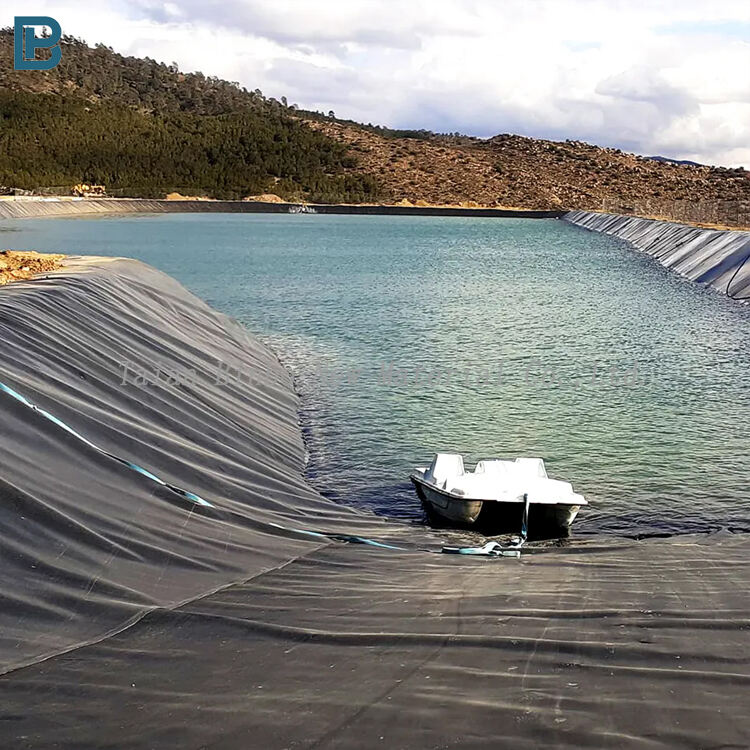
Common Degradation Patterns in Geomembranes
Identifying Signs of Wear and Tear Such as Cracks, Discoloration, and Uneven Surfaces
Spotting problems with geomembrane materials early usually starts by looking for visible signs of wear and tear. Cracks on the surface are typically a sign that UV radiation has made the material brittle over time. Discoloration patterns might point to either oxidation happening underneath or some kind of reaction between the membrane and whatever soil it sits on. Wrinkles and folds in the material aren't just cosmetic issues either they actually become weak spots where damage spreads faster. A recent report from 2023 found that around one third of all early failures happen because of prolonged sun exposure when membranes aren't properly covered. And there's another concern too field research indicates that things like oil contamination can really take a toll on flexibility, cutting it down nearly half after just five years according to findings published last year by Ponemon Institute.
Impact of Environmental Exposure on Geomembrane Integrity
Geomembranes face compounding threats from:
- Thermal cycling: Temperature fluctuations >50°F (28°C) daily widen seams by 0.2–0.5 mm annually.
- Soil abrasion: Sandy substrates erode 1.2–3 mm of geomembrane thickness per decade.
-
Biological activity: Root penetration causes 18% of agricultural lining failures.
A 2024 analysis found that geomembranes in coastal regions degrade 2.3× faster than inland installations due to saltwater exposure and humidity levels exceeding 85%.
Visual Inspection of Pipe Boot Connections and Mechanically Battened Areas
High-stress zones like pipe penetrations require quarterly inspections. Loose batten bars (fastener spacing >12 inches) correlate with 60% of edge uplift failures. Professionals recommend using borescopes to examine hidden seams at pipe boots, where 40% of leaks originate according to waste containment research. Look for:
- Cracks radiating from bolt heads
- Discolored patches indicating chemical pooling
- Friction marks from thermal contraction/expansion
Core Methods for Leak Detection in Geomembranes
Electrical Leak Location Surveys (ELLs): Principles and Applications
Electrical leak location surveys work by sending controlled electrical currents through geomembranes to find where they break down. The whole idea is pretty straightforward actually. When everything's working right, the current flows smoothly without issues. But when there's a leak somewhere, that creates these voltage changes we can measure. What makes this technique so useful is that it works whether the membrane is visible or hidden underneath other materials. That's why many folks in the industry rely on it for checking landfill caps, those big industrial water holding areas, and all sorts of containment systems where leaks would be problematic. Most modern equipment can spot tiny holes around 1 millimeter in size. Field tests over the past few years have consistently shown about 95 percent success rates even when dealing with membranes that are completely covered over.
Spark Testing for Exposed Geomembranes
When it comes to checking for flaws in geomembranes, spark testing works by sending those high voltage pulses through the material. Technicians usually run either a conductive brush or roller across the surface area, which tends to create visible sparks wherever there are weak spots or holes in the membrane. The whole process needs pretty dry weather conditions though, which can sometimes complicate things on site. Most contractors use this technique while they're still putting the system together as part of their quality assurance routine. Looking at actual field results from last year's tests on HDPE liners at landfills showed something interesting too. Those who implemented regular spark testing saw around 72 percent fewer problems with leaks after everything was installed and covered up.
Dipole Method for Covered Geomembranes
The dipole method works by measuring changes in voltage across two electrodes positioned on either side of a geomembrane that's already covered. When fluids get through any leaks, they form conductive paths that mess with the normal electric field pattern. What makes this approach stand out is how well it finds problems even when there's soil or gravel sitting on top of the membrane. Most setups can spot defects as small as 3 millimeters. Landfill operators really appreciate this because it lets them check if their liners are intact without having to dig up all the protective material first, which saves both time and money during inspections.
Non-Destructive and Destructive Testing of Geomembrane Seams
Non-Destructive Testing of Geomembrane Seams in Landfill Liners
Air lance and vacuum tests are among the best ways to check seams without damaging the geomembrane itself. Basically, these methods find weak spots or tiny tears by either blowing air through the seam or sucking it out, creating pressure differences around 0.5 psi. Field work has actually demonstrated pretty impressive results too. Vacuum testing catches about 95% of flaws bigger than 1 mm in those HDPE liners according to Geosynthetics International from last year. When dealing with landfills specifically, this kind of testing really helps cut down on environmental problems while making sure all those big containment areas have properly sealed seams throughout.
Destructive Testing of Geomembrane Seams: Laboratory Analysis and Field Sampling
When it comes to assessing how strong seams really are, destructive testing is what we rely on. This involves intentionally breaking seams in two main ways: peeling them apart at a right angle and pushing them sideways until they give way. Back in the lab, technicians test samples taken from actual field seams to see how much tension they can handle before failing. These tests follow the ASTM D6392 standard, and most industries want to see at least 80% of the original material's strength holding up. For regular sites, we usually take one sample every 500 square meters. But places where things could go wrong have stricter rules - think about those chemical storage areas where safety matters so much, and there they need testing every 200 square meters instead. Independent quality assurance folks generally run between 20 to 30 of these destructive tests for each hectare of material. It's all about finding that sweet spot where we get enough data to be confident about quality without wasting too much material in the process.
Seam Integrity Testing and Repair Protocols After Failed Evaluations
Failed seams undergo a three-stage repair protocol:
- Extend the defect zone by 15 cm beyond visible damage
- Clean surfaces with non-abrasive solvents and roughen edges
- Apply dual-certified patches (same thickness as original liner) using extrusion welding
Post-repair inspections require both NDT and destructive testing on adjacent seams to confirm no secondary weaknesses exist.
Balancing Cost-Efficiency With Rigorous Seam Validation
A hybrid testing strategy reduces costs by 30–40% compared to full destructive testing:
| Scenario | NDT Coverage | Destructive Sampling Rate |
|---|---|---|
| Low-risk (stormwater) | 100% | 1:750 m² |
| High-risk (landfill) | 100% | 1:250 m² |
| This approach maintains compliance with EPA and Geosynthetic Research Institute guidelines while optimizing material and labor expenditures. |
Routine Inspection and Preventative Maintenance Strategies
Scheduling Routine Professional Inspections for Long-Term Durability
Getting regular checkups from professionals is really important when it comes to keeping geomembranes in good shape. Most experts suggest doing these inspections every three months especially for systems that are constantly hit by sunlight or chemicals. According to the latest report on containment infrastructure from 2024, companies that stick to scheduled maintenance save around 38 percent on repairs versus those who wait until something breaks down. When certified inspectors come out, they look closely at seams, check how secure the anchors are, and scan for any weird bumps or deformations on the surface. They use fancy tools like infrared cameras and special electrical tests to spot problems before they become big issues. Finding signs of wear and tear early can mean the difference between a simple fix and having to replace entire sections later on.
Inspections Following Major Weather Events
Severe weather conditions really speed up how geomembranes break down over time. When hurricane strength winds blow through an area, they put extra strain on those perimeter anchor points. And then there's the damage from hailstones hitting the surface - these can actually create tiny tears in the liner material that might not seem significant at first glance. After any major storm event, most professionals recommend doing a thorough visual check of the site within three days max. Look closely at areas where the membrane has been lifted by strong winds and also check out spots where sediment tends to build up naturally. For locations affected by flooding, quick action is critical. Water needs to drain away as soon as possible, and special tests should be conducted to assess ozone resistance in parts of the system that remain underwater. These submerged sections are particularly vulnerable because they tend to lose their plasticizers faster than other areas.
Monitoring High-Stress Zones and Early Intervention Techniques
15% of geomembrane failures originate from high-stress areas like pipe penetrations and slope transitions. Real-time strain monitoring systems installed at these critical zones alert operators when elongation exceeds 3%—the threshold indicating imminent material yielding. Proactive measures include:
- Applying sacrificial UV-resistant coatings to exposed flashing
- Installing geocomposite cushions under heavy equipment pathways
- Rebalancing leachate levels to reduce hydraulic pressure
Importance of Professional Maintenance and Expert Assessments
Getting third party checks done really helps make sure we're following those ASTM D7701 guidelines when predicting how long geomembranes will last. The pros who do this work regularly hit around 92% success rate fixing problems on their first try using fancy methods such as extrusion welding or chemical grafting patches. That's way better than what happens when someone without proper training tries it themselves, which only gets about 64% right the first go round. Every year experts come in and look at everything again, updating our risk assessments by considering how old materials are getting, whether chemicals might be causing issues over time, plus any changes in how much weight or stress they're handling day to day.
Effective Repair Procedures for Damaged Geomembranes
Repair methods for geomembrane tears and leaks
Professionals employ heat welding and extrusion techniques to address liner breaches, with industry studies showing proper surface preparation improves repair adhesion by 40%. Critical steps include removing contaminants, testing patch compatibility, and applying uniform pressure during sealing operations.
Addressing minor damages like punctures, tears, and edge curling
Immediate intervention prevents 72% of small defects from developing into major failures according to 2023 polymer research. Techniques range from solvent-based adhesives for pinholes to reinforced overlays for edge distortions, always using material-matched repair composites.
Cleaning and debris removal procedures for geomembrane liners
High-pressure water jets remove particulate matter without damaging the liner matrix, while chemical solvents eliminate hydrocarbon deposits. A clean surface improves repair bond strength by 55% compared to untreated areas (Geomembrane Tech Journal 2022).
Patch vs. full-section replacement: Evaluating long-term solutions
Analysis of 1,200 repair cases reveals patch repairs suffice for 87% of damages under 15 cm diameter when properly executed. Full replacement becomes cost-effective when degradation affects over 35% of a containment area (Geosynthetics International 2021).
Documentation and recordkeeping for inspections and repairs
Digital tracking systems capture repair dimensions, methods used, and technician observations, creating auditable maintenance histories. Organizations maintaining detailed records reduce repeat failures by 63% compared to those with poor documentation practices.
FAQ
What are common signs of wear and tear in geomembranes? Visible signs such as cracks, discoloration, and wrinkles are indicative of wear and tear.
How does environmental exposure affect geomembranes? Temperature fluctuations, soil abrasion, and biological activity can degrade geomembranes over time.
What methods are effective for detecting leaks in geomembranes? Techniques such as Electrical Leak Location Surveys, spark testing, and the dipole method are used to find leaks.
How often should geomembranes undergo inspection? It's recommended to have professional inspections every three months or after major weather events to ensure durability.
What are the repair procedures for geomembrane damages? Repairs involve heat welding, extrusion techniques, cleaning, patching, or full-section replacements depending on the damage.
Table of Contents
- Common Degradation Patterns in Geomembranes
- Core Methods for Leak Detection in Geomembranes
- Non-Destructive and Destructive Testing of Geomembrane Seams
- Routine Inspection and Preventative Maintenance Strategies
-
Effective Repair Procedures for Damaged Geomembranes
- Repair methods for geomembrane tears and leaks
- Addressing minor damages like punctures, tears, and edge curling
- Cleaning and debris removal procedures for geomembrane liners
- Patch vs. full-section replacement: Evaluating long-term solutions
- Documentation and recordkeeping for inspections and repairs
- FAQ