

 EN
EN
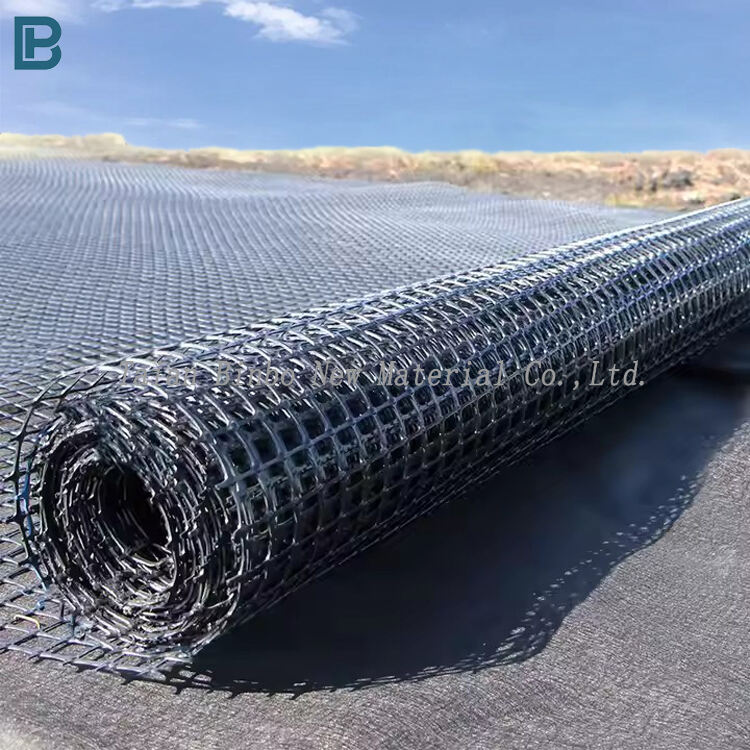
Understanding Geogrid Functions in Soil Stabilization and Load Support
The primary functions of geogrids: reinforcement, stabilization, and load distribution
Civil engineers rely on geogrids for several key functions mainly reinforcement, stabilization work, and distributing loads across surfaces. When these grids lock into place with aggregate materials, they actually boost the soil's tensile strength quite a bit some tests show improvements around 60%. The way these grids are structured stops soil from moving sideways too much, which helps keep slopes stable and roads intact even when heavy traffic rolls over them day after day. Looking at how they handle weight distribution, studies have found that geogrids can cut down vertical stress on lower ground layers somewhere between 30% to maybe 50%. Researchers tested this out on real road surfaces with special pressure measuring equipment during large scale experiments.
How geogrids control erosion and improve structural integrity in civil engineering projects
The open aperture design of geogrids traps soil particles while enabling effective drainage, reducing surface erosion by 80% compared to unreinforced slopes. In bridge approaches, Federal Highway Administration data shows geogrid-reinforced zones experience 42% less differential settlement. Key structural benefits include:
- Transfer of stress from weak soils to high-strength polymer grids
- Suppression of reflective cracking in asphalt overlays
- Enhanced interlayer friction in multi-layered systems
These mechanisms collectively improve long-term performance and reduce maintenance demands.
Mechanisms behind geogrid retaining wall performance and embankment support
The stabilization process for geogrid reinforced retaining walls happens in two main stages. Initially there's development of interface shear strength at the boundary where soil meets the geogrid material, which typically provides around 80 to 100 kN per meter of tensile resistance. The second stage involves what engineers call wrapped face construction, creating essentially one solid mass capable of resisting those pesky lateral earth pressures. Computer models indicate this design can cut down on pressure by about 55% when compared with traditional methods. When dealing with embankments built over soft ground conditions, multi axial geogrid solutions really shine. These grids spread out the weight from heavy vehicles much better than standard approaches, meaning engineers can actually build slopes that are 15 degrees steeper while still maintaining structural integrity.
Types and Material Composition of Geogrids for Infrastructure Applications
Uniaxial vs. Biaxial Geogrids: Differences and Ideal Use Cases
Uniaxial geogrids are designed to handle strong tension forces along a single axis, which makes them particularly well suited for applications like retaining walls and steep embankments where sideways soil pressure is the main concern. These grids typically have strength ratings between 20 and 80 kN per meter, with minimal stretch rates under 10 percent, so they hold their shape even when subjected to long term weight pressures. On the other hand, biaxial geogrids offer equal strength across two directions, making them great choices for roads and building foundations because they distribute weight evenly across surfaces. When engineers incorporate these into road projects, we see about a 40 percent drop in surface rutting problems. Plus, contractors can actually cut down on material costs since the aggregate layer needs to be only 15 to 25 percent thinner than traditional specifications when working with poor quality ground conditions beneath highways.
Polymer-Based Geogrid Types: PP, HDPE, and PET in Infrastructure Applications
Three main polymers form the basis of modern geogrids:
- Polypropylene (PP): Lightweight and chemically resistant, best suited for temporary works and drainage applications.
- High-Density Polyethylene (HDPE): Offers excellent UV and chemical resistance, with tensile strengths up to 40 kN/m–commonly used in landfill liners and coastal protection.
- Polyethylene Terephthalate (PET): Delivers superior tensile strength (60–120 kN/m) and low creep, making it ideal for heavy-duty roads and rail embankments.
HDPE retains 95% of its strength after 50 years in acidic soils (pH 3–5), while PET dominates markets requiring long-term stiffness and durability.
Fiberglass and Steel-Plastic Composite Geogrids for High-Load Environments
Fiberglass geogrids are made by combining glass fibers with special polymer coatings, giving them tensile strengths that go beyond 200 kN per meter. These kinds of geogrids work really well for things like airport runways and areas where bridges meet roads. Then there's another type called steel-plastic composite geogrids. These have galvanized steel strands embedded inside HDPE sheets, and they can handle loads over 300 kN per meter. That makes them great for heavy duty applications such as mining haul roads or steep embankments that are taller than 30 meters. What's interesting about these newer materials is how much better they perform over time. Studies show they reduce long term deformation problems by around 60 percent when compared to regular polymer geogrids, especially under those intense stress conditions we see in major infrastructure projects.
Chemical and Tensile Properties of PP, HDPE, and PET Geogrids
| Property | PP Geogrids | HDPE Geogrids | PET Geogrids |
|---|---|---|---|
| Tensile Strength (kN/m) | 20–40 | 30–50 | 60–120 |
| Chemical Resistance | Moderate | High | Moderate |
| UV Stability | Poor | Excellent | Good |
| Max Service Temperature | 60°C | 80°C | 70°C |
PET offers the highest strength but requires protective coatings in alkaline conditions (pH >9). HDPE’s low permeability makes it preferred for containment, while PP’s flexibility supports dynamic loading scenarios.
Key Applications of Geogrids in Road, Highway, and Pavement Construction
Extending Pavement Lifespan with Geogrid Reinforcement Layers
By interlocking with aggregate base layers, geogrids create a composite system that resists rutting and cracking. This reinforcement improves load transfer efficiency and delays fatigue failure in asphalt surfaces. Research indicates that geogrid-stabilized pavements deteriorate up to 50% slower than non-reinforced sections, significantly extending service life and deferring major rehabilitation.
Case Study: Geogrids Reducing Maintenance Costs on Major Highway Projects
Researchers who looked at interstate highway rehab projects over five years noticed something interesting about roads where they used biaxial geogrids. These roads needed about 32 percent fewer fixes compared to regular construction methods. The main reason seems to be how these grids help prevent uneven settling when different types of soil meet under the pavement. As a result, there were just not as many potholes forming along the road edges either. When engineers did their math on long term costs, they came up with around $18 saved per square meter. That number makes sense because less material gets used initially and workers spend less time fixing problems down the road. Still, some experts wonder if those savings hold true across all climate conditions and traffic volumes.
Load Distribution Efficiency in Soft Soil Conditions Using Geogrid Solutions
In weak subgrade conditions, geogrids enhance performance by:
- Spreading vertical loads horizontally across the reinforcement plane
- Reducing subgrade strain by up to 40% through improved soil-aggregate interaction
- Preventing localized shear failures under repeated traffic loading
This enables construction on otherwise unsuitable ground, eliminating the need for costly soil replacement or deep piling.
Trend Analysis: Increasing Adoption of Geogrids in National Infrastructure Programs
Over 78% of U.S. state transportation agencies now require geogrid use in pavement rehabilitation, driven by compliance with ASTM D6637 and proven field performance. Federal infrastructure funding increasingly favors geosynthetic-reinforced designs, with annual grant allocations rising 19% since 2020 to support resilient, cost-effective solutions.
Selecting the Right Geogrid Based on Project Requirements and Cost Efficiency
Evaluating Soil Type, Load Requirements, and Environmental Exposure
The right geogrid for a project really depends on several site-specific conditions. For soft clay soils, engineers generally look at geogrids rated between 25 to 40 kN/m in tensile strength. Sandy ground often works just fine with something less robust though. Getting the aperture size right matters too when it comes to how evenly loads get distributed across the soil mass, sometimes making all the difference in performance. Some tests have shown improvements around 60% when this matching is done properly. Then there's what happens outside the lab. Things like prolonged sun exposure or contact with chemicals in the environment can actually limit which materials will last through construction and beyond, so these considerations need attention right from the start of planning.
Engineering Guidelines for Optimal Geogrid Selection in Retaining Walls
Retaining wall designs should comply with ASTM D6637, specifying geosynthetics with junction efficiencies above 90% when lateral pressures exceed 50 kPa. Triaxial geogrids have shown a 35% reduction in wall deformation compared to biaxial types in high-moisture conditions, offering enhanced performance in challenging environments.
Comparative Cost Analysis: HDPE vs. PET vs. Fiberglass Geogrids
| Material | Cost (per m²) | Tensile Strength (kN/m) | UV Resistance (years) |
|---|---|---|---|
| HDPE | $4.20 | 30–45 | 20–25 |
| PET | $5.80 | 50–75 | 30+ |
| Fiberglass | $7.10 | 80–120 | 50+ |
PET provides the best balance of strength and longevity for highways needing 25+ year service life, while HDPE is more economical for short-term or budget-sensitive projects.
Lifecycle Cost Benefits Outweighing Initial Material Expenses
Premium geogrids might cost about 15 to 25 percent more at first glance, but they actually save money down the road since maintenance drops by around 40 to 60 percent. Take bridge approaches reinforced with fiberglass for instance these need fixing just once every 8 to 12 years compared to regular sections which typically need attention every 3 to 5 years. Looking at the bigger picture, studies show that over time projects lasting longer than five years see roughly an 18 percent boost in return on investment when using these better quality materials. So even though the price tag looks higher initially, spending extra on durable stuff pays off handsomely in the long run.
Ensuring Reliable Bulk Supply and Quality Assurance in Large-Scale Projects
Assessing Production Capacity and Delivery Timelines of Geogrid Suppliers
Large infrastructure initiatives demand suppliers capable of producing over 500,000 m² monthly without compromising quality. Leading manufacturers utilize automated extrusion and real-time monitoring to maintain precise aperture geometry and consistent tensile properties (¥50 kN/m). Evaluate supplier logistics networks and regional distribution centers to ensure delivery within 14 days for time-critical projects.
Ensuring Consistent Quality in Bulk Supply Through Certifications and Audits
Third-party certifications such as ISO 9001:2015 and CRCC verify adherence to quality standards throughout production. Batch testing must include UV resistance (minimum 98% strength retention after 2,000 hours) and junction efficiency (¥95%). Semi-annual factory audits help prevent inconsistencies—particularly critical given that a 1% defect rate can increase project costs by $120,000 per 10,000 m².
Bulk Purchasing Strategies to Reduce Per-Unit Costs Without Sacrificing Quality
When buying large quantities of PP and PET geogrids through centralized orders, companies typically see unit costs drop between 18 to 22% on projects over 50,000 square meters. Many construction firms have found success by pairing tiered pricing structures with just in time delivery systems. This approach really helps with managing money flow and keeping inventory under control. Take the recent transcontinental railway expansion for example storage costs there went down around 34% after implementing these strategies. It's also wise to set aside roughly 8 to 12% of what's spent on procurement for third party quality checks, especially when working out those big volume discount deals. The extra investment pays off in avoiding costly mistakes later on.
Geogrid FAQ
What is the main function of geogrids in civil engineering?
Geogrids are primarily used for reinforcement, stabilization, and load distribution, enhancing soil tensile strength and managing weight distribution.
How do geogrids help in controlling erosion?
Geogrids trap soil particles while allowing effective drainage, reducing surface erosion by up to 80% compared to unreinforced slopes.
What are uniaxial and biaxial geogrids?
Uniaxial geogrids handle tension along a single axis, ideal for retaining walls, while biaxial geogrids offer strength in two directions, suitable for roads and building foundations.
What materials are geogrids made of?
Geogrids are often made of polymers like polypropylene, HDPE, and PET, each offering unique benefits such as chemical resistance and tensile strength.
Why are geogrids important in road construction?
Geogrids improve load transfer efficiency, delaying pavement fatigue failure, reducing maintenance needs, and extending service life.
Table of Contents
- Understanding Geogrid Functions in Soil Stabilization and Load Support
- Types and Material Composition of Geogrids for Infrastructure Applications
- Key Applications of Geogrids in Road, Highway, and Pavement Construction
- Selecting the Right Geogrid Based on Project Requirements and Cost Efficiency
- Ensuring Reliable Bulk Supply and Quality Assurance in Large-Scale Projects
- Geogrid FAQ